
 Company
A company is a legal entity formed by a group of individuals to enga
ge in and operate a business enterprise. This business can be commercial or industrial. Companies can be organized in various ways for tax and financial liability purposes, depending on the corporate law of the company's jurisdiction. Often the line of business the company engages in dictates the structure it chooses. In the United States, these types of companies are defined by tax laws administered by the Internal Revenue Service and individual state dictates.
A company has similar, if not the same, legal rights and responsibilities as an individual. This includes the ability to enter into contracts, the right to sue or be sued, the ability to borrow money, the responsibility of paying taxes, the ability to own assets, and being able to hire employees.
Companies can be as simple as registering a trade name a single individual uses to conduct business. And it can be as complicated as forming a complex structure of entities across multiple countries and regulatory structures.
Examples of these types include:
- Partnerships
- Corporations
- Association
- Funds
- Trusts
- Joint-stock Company
- Private companies limited by guarantee
- Private companies limited by shares
- Public limited companies
- Gesellschaft mit beschränkter Haftung (GmbH)
In the United States, a company is not necessarily a corporation, although all corporations can be classified as companies. In the United Kingdom, a company is a body corporate or corporation. As well, in the United Kingdom, a partnership is note legally a company though they may be informally referred to as a company or referred to as a firm.
Most jurisdictions have forms of private limited companies and stock corporations. A private limited company is a company privately owned by the members or a single member of the company. A stock corporation differs from a private limited company in its ability to issue shares, which entitles owners to portions of the corporations profits. In a stock corporation, these stocks can be shared publicly, privately, or on stock exchanges.
The word company comes originally from the Old French word compagnie, which stood for "society, friendship, intimacy; body of soldiers" in the 12th century. This old French comes originally from the Late Latin companio, which stood for "bread fellow, messmate" and the Latin root com, which stood for "with, together".
In the 14th century, the Middle English use of company is for "companionship, consort of persons, intimate association, sexual union". This is expanded in the late 14th century in usage to include usage for "a number of persons united to perform or carry out anything jointly" and from this usage developed a commercial sense of "business association". The definition for business association is in use by the 1550s after it is seeing use in reference to trade guilds.
The abbreviation of company as "Co." dates from the 1670's. And company continues to be used in a military sense to refer to a subdivision of an infantry regiment.
A company is a legal entity formed by a group of individuals to engage in and operate a business enterprise. This business can be commercial or industrial. Companies can be organized in various ways for tax and financial liability purposes, depending on the corporate law of the company's jurisdiction. Often the line of business the company engages in dictates the structure it chooses. In the United States, these types of companies are defined by tax laws administered by the Internal Revenue Service and individual state dictates.
A company has similar, if not the same, legal rights and responsibilities as an individual. This includes the ability to enter into contracts, the right to sue or be sued, the ability to borrow money, the responsibility of paying taxes, the ability to own assets, and being able to hire employees.
Companies can be as simple as registering a trade name a single individual uses to conduct business. And it can be as complicated as forming a complex structure of entities across multiple countries and regulatory structures.
Examples of these types include:
- Partnerships
- Corporations
- Association
- Funds
- Trusts
- Joint-stock Company
- Private companies limited by guarantee
- Private companies limited by shares
- Public limited companies
- Gesellschaft mit beschränkter Haftung (GmbH)
In the United States, a company is not necessarily a corporation, although all corporations can be classified as companies. In the United Kingdom, a company is a body corporate or corporation. As well, in the United Kingdom, a partnership is note legally a company though they may be informally referred to as a company or referred to as a firm.
Most jurisdictions have forms of private limited companies and stock corporations. A private limited company is a company privately owned by the members or a single member of the company. A stock corporation differs from a private limited company in its ability to issue shares, which entitles owners to portions of the corporations profits. In a stock corporation, these stocks can be shared publicly, privately, or on stock exchanges.
The word company comes originally from the Old French word compagnie, which stood for "society, friendship, intimacy; body of soldiers" in the 12th century. This old French comes originally from the Late Latin companio, which stood for "bread fellow, messmate" and the Latin root com, which stood for "with, together".
In the 14th century, the Middle English use of company is for "companionship, consort of persons, intimate association, sexual union". This is expanded in the late 14th century in usage to include usage for "a number of persons united to perform or carry out anything jointly" and from this usage developed a commercial sense of "business association". The definition for business association is in use by the 1550s after it is seeing use in reference to trade guilds.
The abbreviation of company as "Co." dates from the 1670's. And company continues to be used in a military sense to refer to a subdivision of an infantry regiment.
 Non-fungible token (NFT)
A non-fungible token (NFT) is a specialized type of cryptographic token representing something unique, like a domain name, a limited-time skin for a video game, or other digital properties owned by a user. Therefore, the NFTs are not mutually interchangeable, meaning an individual might trade ownership of a domain name for ownership of a rare character skin or a cryptocurrency. NFTs differ from cryptocurrency; NFTs are entirely non-fungible, and they cannot be traded for something identical. Cryptocurrency is fungible and is exchanged for something that is of equal or identical value.
Blockchain and cryptocurrencies have been around for years, but it was NFTs that appeared just a few years ago. In many ways, they owe their popularity to the game CryptoKitties, where you need to grow and breed virtual crypto cats. The cost of one such kitten can sometimes exceed hundreds of thousands of dollars.
An important role was played by the connection of NFTs with cryptocurrencies, as well as by the fact that during the pandemic, many new non-professional players appeared on the stock markets who want to make money.
But the biggest influence on the popularity of these tokens was played by big names that actively stir up interest in the topic. Every day you can read the news about how another celebrity sold something in the NFT for a huge amount of money. It is one thing when NFTs are talked about in narrow cryptographic circles, and quite another when such information giants as Elon Musk, Jack Dorsey, Mark Zuckerberg and others come into play.
NFTs are used to create digital ownership and scarcity. They develop a possibility of interoperability across multiple platforms through blockchain, which acts as the management layer of NFT. Blockchain allows the exchange of an item from one party to another and enables the NFTs to be displayed in various eBay-style marketplaces. NFTs are used in specific applications to acquire unique or rare digital items like crypto-art, crypto-collectibles, and crypto-gaming.

CryptoPunks by LarvaLabs and traded on Ethereum
Blockchain had early use in the art industry, allowing individuals to own digital intellectual property with records stored in the digital blockchain roster. NFTs are used to prove ownership and authenticity of digital art. In June of 2017, a company called Larva Labs released an art collector line called CryptoPunks. The “Punks” were available free of cost for anyone with an Ethereum wallet. Only 10,000 Punks were developed, no two alike, and all were quickly claimed. Ethereum wallet holders may now sell or trade punks for Ethereum. The average punk sold for approximately 4.12E, which equated to $2,998 on December 29, 2020. CryptoPunks are just one example of rare digital art.
Blockchain games also use NFTs; for example, CryptoKitties, a game developed by a Canadian company called Axiom Zen, allows users to use the Ethereum blockchain to represent in-game assets controlled by the user instead of the developer. In-game assets for CryptoKitties can be traded in third-party marketplaces requiring no added permissions from the developer.
Interest in non-fungible tokens has grown, especially with the relative book of crypto-collectibles and NFT art. The popularity of these two uses of NFTs has caused some to view them as the only use case of this technology. However there are various other use cases for NFTs—and as NFTs see increased adoption, new and previously unconsidered use cases will emerge.
By far one of the most associated uses for NFTs is in digital art. NFTs can be used to make one-of-a-kind digital art items with unique and exclusive properties. Minting an NFT to represent art allows an artist to provide the consumer with proof that the NFT-based art file is the only one that exists. This provides the art NFT a level of rarity and uniqueness due to blockchain's immutability, and enables artists to get a cut of the secondary sale of digital art, as this kind of secondary royalty can be programmed as code into the NFT to send back a percentage to the original artist.
Not dissimilar to NFT art, collectible NFTs have been another popular use of NFTs. These make up a significant portion of sales on NFT marketplaces, and there can at times be large crossover between a collectible NFT and NFT art, especially as one can be both. This use case has seen NFT collectibles that include NBA trading cards, a Binance Anniversary NFT, and Jack Dorsey's first tweet.
The gaming industry stands to benefit from NFTs, as they can be used to create non-duplicable, in-game items to give gamers a form of ownership similar to character "skins" and "lootboxes" but with an emphasis on one-of-one, which could drive players to collect. This has already been done in some games, such as Axie Infinity, where users mint little creatures as NFTs that can be sold on an in-game market. In other games, this could see players earn non-fungible, virtual, in-game coins that could be used to make in-game purchases, such as of NFT objects and uses, or in some suggested cases, even be used to "cash out" or trade on a cryptocurrency or in-game market.
Luxury clothing brands have begun to enter the NFT space. This has included physical assets such as retail clothing and related accessories with digital companions as NFTs that are able to merge real-world with digital-world technology, and with increased use of augmented reality with physical couture could provide a new way of experiencing clothes with digital apparel. And in online or "metaverse" applications, a clothing NFT could be used similar to a character skin in games.
For events, such as sports events or a concert, NFTs could be used to represent tickets, ensuring every attendee has original access and stopping any reproduction of tickets. Furthermore, in the case of a resale of an NFT ticket, the data on the NFT can update to represent the new owner.
In the real estate industry, there is the potential for physical land or property to be represented on a blockchain as an NFT. This means a digital token can have all sorts of attributes, such as location, price, and measurement, which due to the blockchain, would be impossible to tamper with. Furthermore, this could allow landlords or property owners to fragment their ownership of a specified property in order to sell parts, either for short-term capital, or else to allow members of an apartment or condo building to own part of the building and vote on changes in the building as a community. This could also be used to sell digital real estate, especially in virtual reality or the metaverse.
In a decentralized finance (DeFi) scenario, NFTs can also provide financial benefits, as their value can be derived from their utility. For example, JustLiquidity created an NFT staking model, in which a user is able to stake a pair of tokens in a pool for a certain period, and can receive an NFT to access the next pool, which creates a secondary market for these NFTs based on the access they provide. Similarly, BakerySwap's NFT food combos provide increased staking rewards for holdings. By contributing, users receive an NFT that provides a variable amount of staking power which can be sold on the secondary market.
Similar to other collectibles that can be minted as an NFT, users can attach a video or audio file to an NFT to create a collectible piece of music, similar to a digital "first edition" of a record. Besides this similar use case as art NFTs, musicians could use NFTs to get a fair share of royalties, either through blockchain-based streaming platforms or blockchain royalty tracking. Another option is working to get a platform to sell royalties and stream music. This could also be used to divorce artists from streaming services and give artists a chance to have users stream their music and pay the artist directly.
Real-world assets could be linked to NFTs to digitize the way people prove ownership. Similar to real estate, where physical property deeds are used, these could be digitized creating tokenized digital assets of these deeds. This use case has not seen as much support from regulators, but is an expected or possible development given other noted and expected applications of NFTs. It could be used for small items such as jewelry, in which an NFT can provide legitimate ownership, similar to the certificate of authenticity that comes with a genuine diamond. And in this case, the certificate would be an NFT.
Blockchain technology, and by extension NFTs, can be useful for logistics, mainly because of its immutability and transparency. It can be used to ensure supply chain data remains authentic and reliable. With essential commodities and perishable goods, it can be important to know the details related to the goods and how long they can remain usable. An NFT can also represent unique items and could contain meta-data, such as the product's origin, journey, and warehouse location. One problem with the ways that have been proposed to use NFTs on a supply chain is that they require each stage to use the same infrastructure, or for different infrastructures to be interoperable.
Similar to its proposed uses in other forms of ownership, and especially with blockchain domain systems, owners can control the domains using private keys. Domain name NFTs enable easy trading and customizable domain names. This can also reduce the centralization in domain name registry and decentralize the ownership and registration.
NFTs have been proposed as a possible solution for personal identity management. They contain unique information stored in their tokens, which can be used for documenting degrees, certificates, medical records, and qualifications, which can be issued over the blockchain as an NFT and traced back to the owner.
With the metaverse, and in other virtual lands, NFTs can be used to own part of the land or metaverse, similar to applications in gaming. Further, the metaverse offers a place where NFTs could be stored and appreciated. And it offers a chance for users to build digital real estate portfolios, including building a virtual office building, which could be rented out. And these properties can be bought and sold on virtual markets much like property is done regularly.
There are various standards for non-fungible tokens, and the standards are what make NFTs valuable to consumers. Standards give developers a guarantee that the non-fungible assets will behave in a particular way and describe exactly how they will interact with the basic functionality of the specific asset.
The ERC-721 is a standard developed by the CryptoKitties developer, Axiom Zen, and was also the first standard that represented non-fungible assets. The ERC-721 standard is an inheritable Solidity smart contract, which means other developers can use the ERC-721 to create and develop new compliant contracts that fit their assets using the import tool from the OpenZepplin library. ERC-721 provides permissions to transfer non-fungible assets from one party to another and provides an identifier for that asset’s present owner.

ERC-721 transfer codes and owner0f operations

Example of an ERC-1155 token contract
Enjin developed the ERC-1155 standard. It is used primarily in selling classes of assets, meaning if a user has a wallet with 500 shields in it, the user may sell off all 500 shields at once instead of selling them individually. By allowing the sale of an entire class of items, ERC-1155 provides an increased efficiency from the ERC-721 standard, where each item has a unique identifier, even if the item is a duplicate. The downside to ERC-1155 is a loss of information. Due to the bulk sale of items, the history of ownership from one party to the next cannot be tracked for individual shields.
Composables are developing out of the ERC-998 standard and provide a template for NFTs to own both non-fungible and fungible assets.
NFT1 was introduced to the Bitcoin Cash blockchain in 2019 as a part of the Simple Ledger Protocol (SLP), which can be used to support NFTs by minting non-divisible token supply of one without a minting baton called a Simple NFT. The specification code in Bitcoin Cash allows the grouping of many NFTs together.
While cryptocurrencies took nearly a decade to be noticed in the mainstream, NFTs only needed a couple of years, with brands such as Budweiser, Visa, and Adidas entering the space and bringing some of the attention towards the market. While much of the market and valuation of NFTs is driven by scarcity and subjective aesthetic preferences, other factors, such as historical significance or the blockchain they are hosted on, can impact the value of the NFT. Many NFTs are traded in collections, which are sets that, in most cases, share common features. These can include sets of collectible cards, art pieces, virtual spaces, or items in games.

Graphic visualization of the top 5 NFT collections (by number of assets) organized by categories.
In terms of minting and hosting NFTs, users have to choose which blockchain to host them on. Ethereum has been the largest and most used by market cap and transaction volume, with the blockchain intending to transition to a proof-of-stake method to reduce energy usage and possibly reduce fees of the blockchain. These fees can vary between $30 to $80 for transactions and around $130 for minting. This has seen many users explore other blockchains to mint NFTs, although some secondary markets can help cover a portion of fees.
A non-fungible token (NFT) is a specialized type of cryptographic token representing something unique, like a domain name, a limited-time skin for a video game, or other digital properties owned by a user. Therefore, the NFTs are not mutually interchangeable, meaning an individual might trade ownership of a domain name for ownership of a rare character skin or a cryptocurrency. NFTs differ from cryptocurrency; NFTs are entirely non-fungible, and they cannot be traded for something identical. Cryptocurrency is fungible and is exchanged for something that is of equal or identical value.
Blockchain and cryptocurrencies have been around for years, but it was NFTs that appeared just a few years ago. In many ways, they owe their popularity to the game CryptoKitties, where you need to grow and breed virtual crypto cats. The cost of one such kitten can sometimes exceed hundreds of thousands of dollars.
An important role was played by the connection of NFTs with cryptocurrencies, as well as by the fact that during the pandemic, many new non-professional players appeared on the stock markets who want to make money.
But the biggest influence on the popularity of these tokens was played by big names that actively stir up interest in the topic. Every day you can read the news about how another celebrity sold something in the NFT for a huge amount of money. It is one thing when NFTs are talked about in narrow cryptographic circles, and quite another when such information giants as Elon Musk, Jack Dorsey, Mark Zuckerberg and others come into play.
NFTs are used to create digital ownership and scarcity. They develop a possibility of interoperability across multiple platforms through blockchain, which acts as the management layer of NFT. Blockchain allows the exchange of an item from one party to another and enables the NFTs to be displayed in various eBay-style marketplaces. NFTs are used in specific applications to acquire unique or rare digital items like crypto-art, crypto-collectibles, and crypto-gaming.
CryptoPunks by LarvaLabs and traded on Ethereum
Blockchain had early use in the art industry, allowing individuals to own digital intellectual property with records stored in the digital blockchain roster. NFTs are used to prove ownership and authenticity of digital art. In June of 2017, a company called Larva Labs released an art collector line called CryptoPunks. The “Punks” were available free of cost for anyone with an Ethereum wallet. Only 10,000 Punks were developed, no two alike, and all were quickly claimed. Ethereum wallet holders may now sell or trade punks for Ethereum. The average punk sold for approximately 4.12E, which equated to $2,998 on December 29, 2020. CryptoPunks are just one example of rare digital art.
Blockchain games also use NFTs; for example, CryptoKitties, a game developed by a Canadian company called Axiom Zen, allows users to use the Ethereum blockchain to represent in-game assets controlled by the user instead of the developer. In-game assets for CryptoKitties can be traded in third-party marketplaces requiring no added permissions from the developer.
Interest in non-fungible tokens has grown, especially with the relative book of crypto-collectibles and NFT art. The popularity of these two uses of NFTs has caused some to view them as the only use case of this technology. However there are various other use cases for NFTs—and as NFTs see increased adoption, new and previously unconsidered use cases will emerge.
By far one of the most associated uses for NFTs is in digital art. NFTs can be used to make one-of-a-kind digital art items with unique and exclusive properties. Minting an NFT to represent art allows an artist to provide the consumer with proof that the NFT-based art file is the only one that exists. This provides the art NFT a level of rarity and uniqueness due to blockchain's immutability, and enables artists to get a cut of the secondary sale of digital art, as this kind of secondary royalty can be programmed as code into the NFT to send back a percentage to the original artist.
Not dissimilar to NFT art, collectible NFTs have been another popular use of NFTs. These make up a significant portion of sales on NFT marketplaces, and there can at times be large crossover between a collectible NFT and NFT art, especially as one can be both. This use case has seen NFT collectibles that include NBA trading cards, a Binance Anniversary NFT, and Jack Dorsey's first tweet.
The gaming industry stands to benefit from NFTs, as they can be used to create non-duplicable, in-game items to give gamers a form of ownership similar to character "skins" and "lootboxes" but with an emphasis on one-of-one, which could drive players to collect. This has already been done in some games, such as Axie Infinity, where users mint little creatures as NFTs that can be sold on an in-game market. In other games, this could see players earn non-fungible, virtual, in-game coins that could be used to make in-game purchases, such as of NFT objects and uses, or in some suggested cases, even be used to "cash out" or trade on a cryptocurrency or in-game market.
Luxury clothing brands have begun to enter the NFT space. This has included physical assets such as retail clothing and related accessories with digital companions as NFTs that are able to merge real-world with digital-world technology, and with increased use of augmented reality with physical couture could provide a new way of experiencing clothes with digital apparel. And in online or "metaverse" applications, a clothing NFT could be used similar to a character skin in games.
For events, such as sports events or a concert, NFTs could be used to represent tickets, ensuring every attendee has original access and stopping any reproduction of tickets. Furthermore, in the case of a resale of an NFT ticket, the data on the NFT can update to represent the new owner.
In the real estate industry, there is the potential for physical land or property to be represented on a blockchain as an NFT. This means a digital token can have all sorts of attributes, such as location, price, and measurement, which due to the blockchain, would be impossible to tamper with. Furthermore, this could allow landlords or property owners to fragment their ownership of a specified property in order to sell parts, either for short-term capital, or else to allow members of an apartment or condo building to own part of the building and vote on changes in the building as a community. This could also be used to sell digital real estate, especially in virtual reality or the metaverse.
In a decentralized finance (DeFi) scenario, NFTs can also provide financial benefits, as their value can be derived from their utility. For example, JustLiquidity created an NFT staking model, in which a user is able to stake a pair of tokens in a pool for a certain period, and can receive an NFT to access the next pool, which creates a secondary market for these NFTs based on the access they provide. Similarly, BakerySwap's NFT food combos provide increased staking rewards for holdings. By contributing, users receive an NFT that provides a variable amount of staking power which can be sold on the secondary market.
Similar to other collectibles that can be minted as an NFT, users can attach a video or audio file to an NFT to create a collectible piece of music, similar to a digital "first edition" of a record. Besides this similar use case as art NFTs, musicians could use NFTs to get a fair share of royalties, either through blockchain-based streaming platforms or blockchain royalty tracking. Another option is working to get a platform to sell royalties and stream music. This could also be used to divorce artists from streaming services and give artists a chance to have users stream their music and pay the artist directly.
Real-world assets could be linked to NFTs to digitize the way people prove ownership. Similar to real estate, where physical property deeds are used, these could be digitized creating tokenized digital assets of these deeds. This use case has not seen as much support from regulators, but is an expected or possible development given other noted and expected applications of NFTs. It could be used for small items such as jewelry, in which an NFT can provide legitimate ownership, similar to the certificate of authenticity that comes with a genuine diamond. And in this case, the certificate would be an NFT.
Blockchain technology, and by extension NFTs, can be useful for logistics, mainly because of its immutability and transparency. It can be used to ensure supply chain data remains authentic and reliable. With essential commodities and perishable goods, it can be important to know the details related to the goods and how long they can remain usable. An NFT can also represent unique items and could contain meta-data, such as the product's origin, journey, and warehouse location. One problem with the ways that have been proposed to use NFTs on a supply chain is that they require each stage to use the same infrastructure, or for different infrastructures to be interoperable.
Similar to its proposed uses in other forms of ownership, and especially with blockchain domain systems, owners can control the domains using private keys. Domain name NFTs enable easy trading and customizable domain names. This can also reduce the centralization in domain name registry and decentralize the ownership and registration.
NFTs have been proposed as a possible solution for personal identity management. They contain unique information stored in their tokens, which can be used for documenting degrees, certificates, medical records, and qualifications, which can be issued over the blockchain as an NFT and traced back to the owner.
With the metaverse, and in other virtual lands, NFTs can be used to own part of the land or metaverse, similar to applications in gaming. Further, the metaverse offers a place where NFTs could be stored and appreciated. And it offers a chance for users to build digital real estate portfolios, including building a virtual office building, which could be rented out. And these properties can be bought and sold on virtual markets much like property is done regularly.
There are various standards for non-fungible tokens, and the standards are what make NFTs valuable to consumers. Standards give developers a guarantee that the non-fungible assets will behave in a particular way and describe exactly how they will interact with the basic functionality of the specific asset.
The ERC-721 is a standard developed by the CryptoKitties developer, Axiom Zen, and was also the first standard that represented non-fungible assets. The ERC-721 standard is an inheritable Solidity smart contract, which means other developers can use the ERC-721 to create and develop new compliant contracts that fit their assets using the import tool from the OpenZepplin library. ERC-721 provides permissions to transfer non-fungible assets from one party to another and provides an identifier for that asset’s present owner.
ERC-721 transfer codes and owner0f operations
Example of an ERC-1155 token contract
Enjin developed the ERC-1155 standard. It is used primarily in selling classes of assets, meaning if a user has a wallet with 500 shields in it, the user may sell off all 500 shields at once instead of selling them individually. By allowing the sale of an entire class of items, ERC-1155 provides an increased efficiency from the ERC-721 standard, where each item has a unique identifier, even if the item is a duplicate. The downside to ERC-1155 is a loss of information. Due to the bulk sale of items, the history of ownership from one party to the next cannot be tracked for individual shields.
Composables are developing out of the ERC-998 standard and provide a template for NFTs to own both non-fungible and fungible assets.
NFT1 was introduced to the Bitcoin Cash blockchain in 2019 as a part of the Simple Ledger Protocol (SLP), which can be used to support NFTs by minting non-divisible token supply of one without a minting baton called a Simple NFT. The specification code in Bitcoin Cash allows the grouping of many NFTs together.
While cryptocurrencies took nearly a decade to be noticed in the mainstream, NFTs only needed a couple of years, with brands such as Budweiser, Visa, and Adidas entering the space and bringing some of the attention towards the market. While much of the market and valuation of NFTs is driven by scarcity and subjective aesthetic preferences, other factors, such as historical significance or the blockchain they are hosted on, can impact the value of the NFT. Many NFTs are traded in collections, which are sets that, in most cases, share common features. These can include sets of collectible cards, art pieces, virtual spaces, or items in games.
Graphic visualization of the top 5 NFT collections (by number of assets) organized by categories.
In terms of minting and hosting NFTs, users have to choose which blockchain to host them on. Ethereum has been the largest and most used by market cap and transaction volume, with the blockchain intending to transition to a proof-of-stake method to reduce energy usage and possibly reduce fees of the blockchain. These fees can vary between $30 to $80 for transactions and around $130 for minting. This has seen many users explore other blockchains to mint NFTs, although some secondary markets can help cover a portion of fees.
A non-fungible token (NFT) is a specialized type of cryptographic token representing something unique, like a domain name, a limited-time skin for a video game, or other digital properties owned by a user. Therefore, the NFTs are not mutually interchangeable, meaning an individual might trade ownership of a domain name for ownership of a rare character skin or a cryptocurrency. NFTs differ from cryptocurrency; NFTs are entirely non-fungible, and they cannot be traded for something identical. Cryptocurrency is fungible and is exchanged for something that is of equal or identical value.
Blockchain and cryptocurrencies have been around for years, but it was NFTs that appeared just a few years ago. In many ways, they owe their popularity to the game CryptoKitties, where you need to grow and breed virtual crypto cats. The cost of one such kitten can sometimes exceed hundreds of thousands of dollars.
An important role was played by the connection of NFTs with cryptocurrencies, as well as by the fact that during the pandemic, many new non-professional players appeared on the stock markets who want to make money.
But the biggest influence on the popularity of these tokens was played by big names that actively stir up interest in the topic. Every day you can read the news about how another celebrity sold something in the NFT for a huge amount of money. It is one thing when NFTs are talked about in narrow cryptographic circles, and quite another when such information giants as Elon Musk, Jack Dorsey, Mark Zuckerberg and others come into play.
NFTs are used to create digital ownership and scarcity. They develop a possibility of interoperability across multiple platforms through blockchain, which acts as the management layer of NFT. Blockchain allows the exchange of an item from one party to another and enables the NFTs to be displayed in various eBay-style marketplaces. NFTs are used in specific applications to acquire unique or rare digital items like crypto-art, crypto-collectibles, and crypto-gaming.
CryptoPunks by LarvaLabs and traded on Ethereum
Blockchain had early use in the art industry, allowing individuals to own digital intellectual property with records stored in the digital blockchain roster. NFTs are used to prove ownership and authenticity of digital art. In June of 2017, a company called Larva Labs released an art collector line called CryptoPunks. The “Punks” were available free of cost for anyone with an Ethereum wallet. Only 10,000 Punks were developed, no two alike, and all were quickly claimed. Ethereum wallet holders may now sell or trade punks for Ethereum. The average punk sold for approximately 4.12E, which equated to $2,998 on December 29, 2020. CryptoPunks are just one example of rare digital art.
Blockchain games also use NFTs; for example, CryptoKitties, a game developed by a Canadian company called Axiom Zen, allows users to use the Ethereum blockchain to represent in-game assets controlled by the user instead of the developer. In-game assets for CryptoKitties can be traded in third-party marketplaces requiring no added permissions from the developer.
Interest in non-fungible tokens has grown, especially with the relative book of crypto-collectibles and NFT art. The popularity of these two uses of NFTs has caused some to view them as the only use case of this technology. However there are various other use cases for NFTs—and as NFTs see increased adoption, new and previously unconsidered use cases will emerge.
By far one of the most associated uses for NFTs is in digital art. NFTs can be used to make one-of-a-kind digital art items with unique and exclusive properties. Minting an NFT to represent art allows an artist to provide the consumer with proof that the NFT-based art file is the only one that exists. This provides the art NFT a level of rarity and uniqueness due to blockchain's immutability, and enables artists to get a cut of the secondary sale of digital art, as this kind of secondary royalty can be programmed as code into the NFT to send back a percentage to the original artist.
Not dissimilar to NFT art, collectible NFTs have been another popular use of NFTs. These make up a significant portion of sales on NFT marketplaces, and there can at times be large crossover between a collectible NFT and NFT art, especially as one can be both. This use case has seen NFT collectibles that include NBA trading cards, a Binance Anniversary NFT, and Jack Dorsey's first tweet.
The gaming industry stands to benefit from NFTs, as they can be used to create non-duplicable, in-game items to give gamers a form of ownership similar to character "skins" and "lootboxes" but with an emphasis on one-of-one, which could drive players to collect. This has already been done in some games, such as Axie Infinity, where users mint little creatures as NFTs that can be sold on an in-game market. In other games, this could see players earn non-fungible, virtual, in-game coins that could be used to make in-game purchases, such as of NFT objects and uses, or in some suggested cases, even be used to "cash out" or trade on a cryptocurrency or in-game market.
Luxury clothing brands have begun to enter the NFT space. This has included physical assets such as retail clothing and related accessories with digital companions as NFTs that are able to merge real-world with digital-world technology, and with increased use of augmented reality with physical couture could provide a new way of experiencing clothes with digital apparel. And in online or "metaverse" applications, a clothing NFT could be used similar to a character skin in games.
For events, such as sports events or a concert, NFTs could be used to represent tickets, ensuring every attendee has original access and stopping any reproduction of tickets. Furthermore, in the case of a resale of an NFT ticket, the data on the NFT can update to represent the new owner.
In the real estate industry, there is the potential for physical land or property to be represented on a blockchain as an NFT. This means a digital token can have all sorts of attributes, such as location, price, and measurement, which due to the blockchain, would be impossible to tamper with. Furthermore, this could allow landlords or property owners to fragment their ownership of a specified property in order to sell parts, either for short-term capital, or else to allow members of an apartment or condo building to own part of the building and vote on changes in the building as a community. This could also be used to sell digital real estate, especially in virtual reality or the metaverse.
In a decentralized finance (DeFi) scenario, NFTs can also provide financial benefits, as their value can be derived from their utility. For example, JustLiquidity created an NFT staking model, in which a user is able to stake a pair of tokens in a pool for a certain period, and can receive an NFT to access the next pool, which creates a secondary market for these NFTs based on the access they provide. Similarly, BakerySwap's NFT food combos provide increased staking rewards for holdings. By contributing, users receive an NFT that provides a variable amount of staking power which can be sold on the secondary market.
Similar to other collectibles that can be minted as an NFT, users can attach a video or audio file to an NFT to create a collectible piece of music, similar to a digital "first edition" of a record. Besides this similar use case as art NFTs, musicians could use NFTs to get a fair share of royalties, either through blockchain-based streaming platforms or blockchain royalty tracking. Another option is working to get a platform to sell royalties and stream music. This could also be used to divorce artists from streaming services and give artists a chance to have users stream their music and pay the artist directly.
Real-world assets could be linked to NFTs to digitize the way people prove ownership. Similar to real estate, where physical property deeds are used, these could be digitized creating tokenized digital assets of these deeds. This use case has not seen as much support from regulators, but is an expected or possible development given other noted and expected applications of NFTs. It could be used for small items such as jewelry, in which an NFT can provide legitimate ownership, similar to the certificate of authenticity that comes with a genuine diamond. And in this case, the certificate would be an NFT.
Blockchain technology, and by extension NFTs, can be useful for logistics, mainly because of its immutability and transparency. It can be used to ensure supply chain data remains authentic and reliable. With essential commodities and perishable goods, it can be important to know the details related to the goods and how long they can remain usable. An NFT can also represent unique items and could contain meta-data, such as the product's origin, journey, and warehouse location. One problem with the ways that have been proposed to use NFTs on a supply chain is that they require each stage to use the same infrastructure, or for different infrastructures to be interoperable.
Similar to its proposed uses in other forms of ownership, and especially with blockchain domain systems, owners can control the domains using private keys. Domain name NFTs enable easy trading and customizable domain names. This can also reduce the centralization in domain name registry and decentralize the ownership and registration.
NFTs have been proposed as a possible solution for personal identity management. They contain unique information stored in their tokens, which can be used for documenting degrees, certificates, medical records, and qualifications, which can be issued over the blockchain as an NFT and traced back to the owner.
With the metaverse, and in other virtual lands, NFTs can be used to own part of the land or metaverse, similar to applications in gaming. Further, the metaverse offers a place where NFTs could be stored and appreciated. And it offers a chance for users to build digital real estate portfolios, including building a virtual office building, which could be rented out. And these properties can be bought and sold on virtual markets much like property is done regularly.
There are various standards for non-fungible tokens, and the standards are what make NFTs valuable to consumers. Standards give developers a guarantee that the non-fungible assets will behave in a particular way and describe exactly how they will interact with the basic functionality of the specific asset.
The ERC-721 is a standard developed by the CryptoKitties developer, Axiom Zen, and was also the first standard that represented non-fungible assets. The ERC-721 standard is an inheritable Solidity smart contract, which means other developers can use the ERC-721 to create and develop new compliant contracts that fit their assets using the import tool from the OpenZepplin library. ERC-721 provides permissions to transfer non-fungible assets from one party to another and provides an identifier for that asset’s present owner.
ERC-721 transfer codes and owner0f operations
Example of an ERC-1155 token contract
Enjin developed the ERC-1155 standard. It is used primarily in selling classes of assets, meaning if a user has a wallet with 500 shields in it, the user may sell off all 500 shields at once instead of selling them individually. By allowing the sale of an entire class of items, ERC-1155 provides an increased efficiency from the ERC-721 standard, where each item has a unique identifier, even if the item is a duplicate. The downside to ERC-1155 is a loss of information. Due to the bulk sale of items, the history of ownership from one party to the next cannot be tracked for individual shields.
Composables are developing out of the ERC-998 standard and provide a template for NFTs to own both non-fungible and fungible assets.
NFT1 was introduced to the Bitcoin Cash blockchain in 2019 as a part of the Simple Ledger Protocol (SLP), which can be used to support NFTs by minting non-divisible token supply of one without a minting baton called a Simple NFT. The specification code in Bitcoin Cash allows the grouping of many NFTs together.
While cryptocurrencies took nearly a decade to be noticed in the mainstream, NFTs only needed a couple of years, with brands such as Budweiser, Visa, and Adidas entering the space and bringing some of the attention towards the market. While much of the market and valuation of NFTs is driven by scarcity and subjective aesthetic preferences, other factors, such as historical significance or the blockchain they are hosted on, can impact the value of the NFT. Many NFTs are traded in collections, which are sets that, in most cases, share common features. These can include sets of collectible cards, art pieces, virtual spaces, or items in games.
Graphic visualization of the top 5 NFT collections (by number of assets) organized by categories.
In terms of minting and hosting NFTs, users have to choose which blockchain to host them on. Ethereum has been the largest and most used by market cap and transaction volume, with the blockchain intending to transition to a proof-of-stake method to reduce energy usage and possibly reduce fees of the blockchain. These fees can vary between $30 to $80 for transactions and around $130 for minting. This has seen many users explore other blockchains to mint NFTs, although some secondary markets can help cover a portion of fees.
 Blockchain
What is Blockchain?
A blockchain is a type of digital ledger where transactions grouped into blocks are replicated across a network of participants. Blockchains can enable a decentralized ledger system of transactions which does not rely on any central authority or trusted third parties for transaction validation. All participants in the peer-to-peer network are known as nodes, and maintain a full record of all transactions on the blockchain communicating directly following a protocol that forms a distributed consensus on the next valid block in the chain.
Each block in the blockchain contains a timestamp, transactional data, and a cryptographic hash link to the previous block. This creates a time-ordered chain of links from the genesis block to the most recent block that cannot be altered retroactively without alteration of all subsequent blocks, requiring a collusion of a large portion of the network.

Early work on cryptographically secure chains with timestamps was done by Haber and Stornetta, including their 1991 paper “How to Time-Stamp a Digital Document". Building upon their previous work, Haber, Stornetta and Bayer published “Improving the Efficiency and Reliability of Digital Time-Stamping", which incorporated consideration of costs and benefits of three methods of digital timestamping including; linear linking, random witness, and merkle trees. Massias, Avila, and Quisquater extended this work to reduce the trust requirements for these digital timestamps.
In 2004, Hal Finney created and implemented reusable proofs of work (RPOW) drawing inspiration from Adam Back's hashcash. Key innovations also came from Wei Dai's b-money. Nick Szabo’s utilizes these ideas for timestamped proof of work to create a string of distributed property title registry for Bit gold. In 2008, an individual or group of individuals, released the bitcoin whitepaper under the name Satoshi Nakamoto and Bitcoin became the first successful implementation of a secure decentralized blockchain solving the double spend problem for a digital currency.
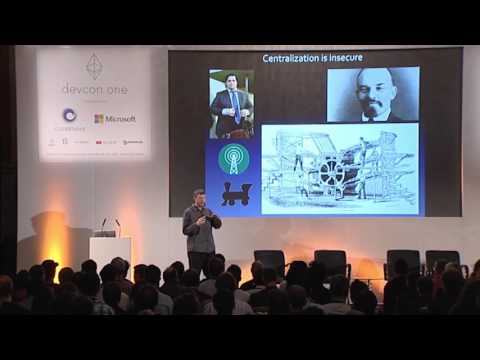
Blockchains are decentralized peer-to-peer networks with a shared append-only ledger maintaining a consensus through a protocol. The unique characteristics of blockchains make them potentially transformative for a variety of industries requiring secure online transactions. They have the potential to solve a fundamental problem of digital trust whereby two individuals can perform almost any arbitrary transaction without a centralized trusted authority approving their transaction. Financial transactions are a natural starting place for blockchain technology, however, with the development of smart contract technology numerous applications can be adopted such as voting, supply chain, electronic health records, estate and property records, and much more.
Cryptographic hash functions are a key components of every blockchain. Common hash functions are MD5, SHA1, SHA2, SHA3. Hash functions convert data of any size into a digital string of a specific length called a hash. An example MD5 hash:
MD5(“Golden”) = 7d2b88f5977b8a31c6193b4c81a43daf
Cryptographic hash functions have special properties differentiating them from other hash functions such as one way computation. This means the computation of the hash from the input data is trivial, but finding an input from the hash function is practically impossible with current computational technology (based on a mathematical difficulty of factoring large numbers).
The hash value obtained could then be fed into the hash function again and produce a new valid hash. This practice allows various structures of hashes with useful properties including the linear linked chains that connect blocks in a blockchain.
The hash of a block is calculated on the entire data set included in the block. Thus, a change to any bit of data in the block will hash that as output. That altered hash is now included in the next block, which changes the output hash of the next block and so on until all blocks post alteration are altered. This is a crucial aspect of the immutability property of the blockchain.
While chains of cryptographic hashes maintain the immutability of the blockchain, an additional cryptographic method called public key cryptography is needed to ensure that only those who own an entity on the blockchain such as a cryptocurrency token are able to initiate a transaction. Public key cryptography is based on a pair of keys called the public and private key (digital signature key). The public key is open and widely distributed, while the private key is kept secret and only know to the owner.
Access to private keys represent full ownership over something of value, typically a token or coin on the blockchain. As shown in the figure below the holding both the public and private keys allows for the creation of a digital signatures. The digital signature proves that the transaction came from the private key owner; no one without the key could impersonate the signature, and if the private key remains confidential to the owner they could not deny having processed the transaction.

Transaction signature scheme from the bitcoin whitepaper.
Nodes verify valid transactions by checking that the digital signature was generated by the private key and the owner has enough value in their account to complete the transaction — this is simple for blockchains like bitcoin where nodes simply need to verify that the sender has enough unspent coins.
Turing complete smart contract platforms such as Ethereum require nodes to re-run smart contract codes and verify that sufficient resources are available to run the computations.
Each full node on the network replicates a history of all transactions on the blockchain. In addition to full nodes, some blockchains allow for other type of nodes like lightweight or spv nodes — which may contain only specific portions of the blockchain. The size of the blockchain increases over time which increases the capacity requirements to run a full nodes. This an important parameter for decentralized blockchain networks as increasing blockchain size comes with increased cost of storage for each user. The implications of trade-offs between blockchain size and numerous other factors has been a topic of significant debate within the bitcoin and cryptocurrency communities.
Blockchains use a variety of methods to determine consensus or agreement on the current state of the blockchain. At their core, all consensus mechanisms rely on financial incentives based on game theory, and the assumptions that users will act in their own monetary self interest.
Currently, most blockchains utilize consensus protocols with proof-of-work. Proof-of-work requires nodes to compete for a financial reward by solving complex computational puzzles and win the privilege of mining the next block in the chain. The Proof-of-work protocol was originally developed to deter denial of service attacks, and is designed such that the majority of computation power or hashrate controls has control of the network. Adversarial nodes must compete against the totality of the hashrate of all non-colluding nodes in order to defraud the system. An adversarial majority node would also potentially favor generating new coins over attempting to undermine the system and the validity of their proportion of the network.
Consensus emerges from independent verification of each transaction by each full node on the network. Blocks are added to blockchains through mining nodes at different intervals depending on how the protocol determines validity of blocks, and the participants ability to create those new blocks. Nodes then verify the new blocks and construct the chain. Nodes then select which blockchain they prefer, typically based on cumulative proof-of-work demonstrated on the longest chain, and consensus emerges.
Note, that there are many alternative consensus mechanisms under active development producing blockchains, or distributed ledgers, with vastly different properties. Some of these consensus mechanisms rely on differing protocols like proof-of-stake (dPoS, Casper, Ourobouros, etc), proof-of-capacity, proof-of-coin age, proof-of-burn, proof-of-authority, and many more.
Transactional logic on blockchains can be simple, such as the transactions of value in bitcoin, or arbitrarily complex code found in smart contracts employed by Ethereum and other blockchains.
The history of transactions on the blockchain, including all transactions made by each address, is permanently open and visible to everyone. However, the identity of person operating a particular node is pseudo-anonymous. New addresses can be easily created on the blockchain without necessarily linking to an individual’s name. For example, if the Bitcoin or Ethereum address of an individual is discovered it becomes trivial to find all transactions performed with that address with tools such as Bitcoin block explorer or Etherscan.
Permissioned blockchains are different from public blockchains because the nodes allowed to participate in the network are restricted in some way. Projects developing private or permissioned blockchains include JPMorgan's Quorum, Multichain, R3, EWF, B3i, and many others.
Blocks may be added to two separate chains causing a fork. There are two kinds of forks — hard forks & soft forks. Hard forks cause a split in the blockchain; resulting in two separate and different permanent blockchains. These blockchains share the blocks prior to the fork; and have different blocks and data after the fork. A soft fork is a change to the protocol which does not result in different versions of the blockchain.
Disagreements within blockchain communities on changes to the blockchain protocol have resulted in significant controversy, most famously the bitcoin block size debate resulting in the Bitcoin Cash hardfork. Other controversial hard forks include the Ethereum hard fork due to The DAO vulnerability and hack, resulting in the blockchain Ethereum Classic blockchain.
In September 2017 the Swiss city of Zug announced intent to release an app to secure its citizens personal identity on the blockchain and associate it with a crypto address. Citizens would register independently on the app and then would be verified by city officials. The linking of a traditional personal centralized identity with a decentralized crypto-address is one initiative intended to improve digital identity. It is intended as a digital passport on the blockchain that could be used for various services such as e-voting. Zug is part of what is known as crypto valley, a region in Switzerland known for attracting decentralized and crypto entrepreneurship due to its crypto-friendly legislation.
The Monetary Authority of Singapore released a report announcing project Urbin, a report outlining plans for increased usage of blockchains in Singapore.
Russia has plans to release a cryptographic version of their national currency, and are calling it cryptoruble. The cryptoruble cannot be mined; and will be controlled and maintained by central Russian authorities.
The International Monetary Fund (IMF) and Christine Lagarde have spoken publicly about the potential of cryptocurrency and the possibility for an IMF based coin.
The first peer-reviewed journal focused on blockchain and cryptocurrency Ledger released its inaugural issue in 2016. It contained 10 articles ranging from game theory, scaling techniques, anonymous transactions, governance, probabilistic analysis, and more.
Research examining the role of blockchain in healthcare, conservation, and other biological fields is increasing as shown by the increasing academic papers being released every year.
Why It Matters
This capability creates whole new ways of thinking about how to transform processes, drive resiliency across complex networks like supply chains, facilitate trust, verify the digital identity of people and objects, and build new revenue models.
What is Blockchain?
A blockchain is a type of digital ledger where transactions grouped into blocks are replicated across a network of participants. Blockchains can enable a decentralized ledger system of transactions which does not rely on any central authority or trusted third parties for transaction validation. All participants in the peer-to-peer network are known as nodes, and maintain a full record of all transactions on the blockchain communicating directly following a protocol that forms a distributed consensus on the next valid block in the chain.
Each block in the blockchain contains a timestamp, transactional data, and a cryptographic hash link to the previous block. This creates a time-ordered chain of links from the genesis block to the most recent block that cannot be altered retroactively without alteration of all subsequent blocks, requiring a collusion of a large portion of the network.
Early work on cryptographically secure chains with timestamps was done by Haber and Stornetta, including their 1991 paper “How to Time-Stamp a Digital Document". Building upon their previous work, Haber, Stornetta and Bayer published “Improving the Efficiency and Reliability of Digital Time-Stamping", which incorporated consideration of costs and benefits of three methods of digital timestamping including; linear linking, random witness, and merkle trees. Massias, Avila, and Quisquater extended this work to reduce the trust requirements for these digital timestamps.
In 2004, Hal Finney created and implemented reusable proofs of work (RPOW) drawing inspiration from Adam Back's hashcash. Key innovations also came from Wei Dai's b-money. Nick Szabo’s utilizes these ideas for timestamped proof of work to create a string of distributed property title registry for Bit gold. In 2008, an individual or group of individuals, released the bitcoin whitepaper under the name Satoshi Nakamoto and Bitcoin became the first successful implementation of a secure decentralized blockchain solving the double spend problem for a digital currency.
Blockchains are decentralized peer-to-peer networks with a shared append-only ledger maintaining a consensus through a protocol. The unique characteristics of blockchains make them potentially transformative for a variety of industries requiring secure online transactions. They have the potential to solve a fundamental problem of digital trust whereby two individuals can perform almost any arbitrary transaction without a centralized trusted authority approving their transaction. Financial transactions are a natural starting place for blockchain technology, however, with the development of smart contract technology numerous applications can be adopted such as voting, supply chain, electronic health records, estate and property records, and much more.
Cryptographic hash functions are a key components of every blockchain. Common hash functions are MD5, SHA1, SHA2, SHA3. Hash functions convert data of any size into a digital string of a specific length called a hash. An example MD5 hash:
MD5(“Golden”) = 7d2b88f5977b8a31c6193b4c81a43daf
Cryptographic hash functions have special properties differentiating them from other hash functions such as one way computation. This means the computation of the hash from the input data is trivial, but finding an input from the hash function is practically impossible with current computational technology (based on a mathematical difficulty of factoring large numbers).
The hash value obtained could then be fed into the hash function again and produce a new valid hash. This practice allows various structures of hashes with useful properties including the linear linked chains that connect blocks in a blockchain.
The hash of a block is calculated on the entire data set included in the block. Thus, a change to any bit of data in the block will hash that as output. That altered hash is now included in the next block, which changes the output hash of the next block and so on until all blocks post alteration are altered. This is a crucial aspect of the immutability property of the blockchain.
While chains of cryptographic hashes maintain the immutability of the blockchain, an additional cryptographic method called public key cryptography is needed to ensure that only those who own an entity on the blockchain such as a cryptocurrency token are able to initiate a transaction. Public key cryptography is based on a pair of keys called the public and private key (digital signature key). The public key is open and widely distributed, while the private key is kept secret and only know to the owner.
Access to private keys represent full ownership over something of value, typically a token or coin on the blockchain. As shown in the figure below the holding both the public and private keys allows for the creation of a digital signatures. The digital signature proves that the transaction came from the private key owner; no one without the key could impersonate the signature, and if the private key remains confidential to the owner they could not deny having processed the transaction.
Transaction signature scheme from the bitcoin whitepaper.
Nodes verify valid transactions by checking that the digital signature was generated by the private key and the owner has enough value in their account to complete the transaction — this is simple for blockchains like bitcoin where nodes simply need to verify that the sender has enough unspent coins.
Turing complete smart contract platforms such as Ethereum require nodes to re-run smart contract codes and verify that sufficient resources are available to run the computations.
Each full node on the network replicates a history of all transactions on the blockchain. In addition to full nodes, some blockchains allow for other type of nodes like lightweight or spv nodes — which may contain only specific portions of the blockchain. The size of the blockchain increases over time which increases the capacity requirements to run a full nodes. This an important parameter for decentralized blockchain networks as increasing blockchain size comes with increased cost of storage for each user. The implications of trade-offs between blockchain size and numerous other factors has been a topic of significant debate within the bitcoin and cryptocurrency communities.
Blockchains use a variety of methods to determine consensus or agreement on the current state of the blockchain. At their core, all consensus mechanisms rely on financial incentives based on game theory, and the assumptions that users will act in their own monetary self interest.
Currently, most blockchains utilize consensus protocols with proof-of-work. Proof-of-work requires nodes to compete for a financial reward by solving complex computational puzzles and win the privilege of mining the next block in the chain. The Proof-of-work protocol was originally developed to deter denial of service attacks, and is designed such that the majority of computation power or hashrate controls has control of the network. Adversarial nodes must compete against the totality of the hashrate of all non-colluding nodes in order to defraud the system. An adversarial majority node would also potentially favor generating new coins over attempting to undermine the system and the validity of their proportion of the network.
Consensus emerges from independent verification of each transaction by each full node on the network. Blocks are added to blockchains through mining nodes at different intervals depending on how the protocol determines validity of blocks, and the participants ability to create those new blocks. Nodes then verify the new blocks and construct the chain. Nodes then select which blockchain they prefer, typically based on cumulative proof-of-work demonstrated on the longest chain, and consensus emerges.
Note, that there are many alternative consensus mechanisms under active development producing blockchains, or distributed ledgers, with vastly different properties. Some of these consensus mechanisms rely on differing protocols like proof-of-stake (dPoS, Casper, Ourobouros, etc), proof-of-capacity, proof-of-coin age, proof-of-burn, proof-of-authority, and many more.
Transactional logic on blockchains can be simple, such as the transactions of value in bitcoin, or arbitrarily complex code found in smart contracts employed by Ethereum and other blockchains.
The history of transactions on the blockchain, including all transactions made by each address, is permanently open and visible to everyone. However, the identity of person operating a particular node is pseudo-anonymous. New addresses can be easily created on the blockchain without necessarily linking to an individual’s name. For example, if the Bitcoin or Ethereum address of an individual is discovered it becomes trivial to find all transactions performed with that address with tools such as Bitcoin block explorer or Etherscan.
Permissioned blockchains are different from public blockchains because the nodes allowed to participate in the network are restricted in some way. Projects developing private or permissioned blockchains include JPMorgan's Quorum, Multichain, R3, EWF, B3i, and many others.
Blocks may be added to two separate chains causing a fork. There are two kinds of forks — hard forks & soft forks. Hard forks cause a split in the blockchain; resulting in two separate and different permanent blockchains. These blockchains share the blocks prior to the fork; and have different blocks and data after the fork. A soft fork is a change to the protocol which does not result in different versions of the blockchain.
Disagreements within blockchain communities on changes to the blockchain protocol have resulted in significant controversy, most famously the bitcoin block size debate resulting in the Bitcoin Cash hardfork. Other controversial hard forks include the Ethereum hard fork due to The DAO vulnerability and hack, resulting in the blockchain Ethereum Classic blockchain.
In September 2017 the Swiss city of Zug announced intent to release an app to secure its citizens personal identity on the blockchain and associate it with a crypto address. Citizens would register independently on the app and then would be verified by city officials. The linking of a traditional personal centralized identity with a decentralized crypto-address is one initiative intended to improve digital identity. It is intended as a digital passport on the blockchain that could be used for various services such as e-voting. Zug is part of what is known as crypto valley, a region in Switzerland known for attracting decentralized and crypto entrepreneurship due to its crypto-friendly legislation.
The Monetary Authority of Singapore released a report announcing project Urbin, a report outlining plans for increased usage of blockchains in Singapore.
Russia has plans to release a cryptographic version of their national currency, and are calling it cryptoruble. The cryptoruble cannot be mined; and will be controlled and maintained by central Russian authorities.
The International Monetary Fund (IMF) and Christine Lagarde have spoken publicly about the potential of cryptocurrency and the possibility for an IMF based coin.
The first peer-reviewed journal focused on blockchain and cryptocurrency Ledger released its inaugural issue in 2016. It contained 10 articles ranging from game theory, scaling techniques, anonymous transactions, governance, probabilistic analysis, and more.
Research examining the role of blockchain in healthcare, conservation, and other biological fields is increasing as shown by the increasing academic papers being released every year.
Why It Matters
This capability creates whole new ways of thinking about how to transform processes, drive resiliency across complex networks like supply chains, facilitate trust, verify the digital identity of people and objects, and build new revenue models.
 Cryptography
Cryptography is the study and practice of techniques for secure communication, allowing only the sender and intended recipient of a message to view its contents. Cryptography is closely related to encryption, the process of scrambling readable text such that it can only be read by people with a secret code, or decryption key. Cryptography also covers hiding information in images through techniques such as microdots or merging.
The term, cryptography, is derived from the Greek word kryptos (meaning hidden), and its practice dates back through history. The ancient Egyptians were known to use cryptographic methods in complex hieroglyphics and Julius Caesar is credited as using one of the first modern ciphers. The "Caesar cipher" uses a simple substitution technique to encrypt information by shifting letters a fixed number of positions through the alphabet.
Modern cryptography has become vital for computer and communications security. It is based on a range of mathematical concepts including number theory, computational complexity theory, and probability theory.
There are five primary functions of cryptography:
- Privacy/confidentiality—ensuring only the intended receiver can read messages sent
- Authentication—proving one's identity
- Integrity—the assurance that the message has not been altered from the original
- Non-repudiation—proving the sender is the one sending the message
- Key exchange—sharing of crypto keys are shared between sender and receiver.
There are several ways of dividing modern cryptographic algorithms including the number of keys required and the intended use. The following are three common types of cryptographic algorithms:
- Symmetric encryption—uses a single key for both encryption and decryption
- Asymmetric encryption—uses separate keys for encryption and decryption
- Hash Functions—uses a mathematical transformation to irreversibly encrypt information providing a digital fingerprint
Cryptanalysis is a closely related field to cryptography, concerned with the decryption and analysis of codes, ciphers, or encrypted text. Cryptanalysis uses mathematical formulas to find algorithm vulnerabilities to break cryptography or information security systems. Examples of cryptanalysis attacks include the following:
- Known-Plaintext Analysis
- Chosen-Plaintext Analysis
- Ciphertext-Only Analysis
- Man-in-the-Middle Attack
Modern cryptography has a range of applications, such as providing secure communication and data protection across a range of fields including eCommerce and the military.
Blockchains and cryptocurrencies are made possible through asymmetric cryptography. Each transaction is recorded to the blockchain ledger using encrypted data, with users accessing their information and making transactions using a public and private key. Blockchains also use hash functions to securely record and store transactions. Through cryptographic hashing, newly verified transactions can be irreversibly added to a blockchain.
Cryptography is the study and practice of techniques for secure communication, allowing only the sender and intended recipient of a message to view its contents. Cryptography is closely related to encryption, the process of scrambling readable text such that it can only be read by people with a secret code, or decryption key. Cryptography also covers hiding information in images through techniques such as microdots or merging.
The term, cryptography, is derived from the Greek word kryptos (meaning hidden), and its practice dates back through history. The ancient Egyptians were known to use cryptographic methods in complex hieroglyphics and Julius Caesar is credited as using one of the first modern ciphers. The "Caesar cipher" uses a simple substitution technique to encrypt information by shifting letters a fixed number of positions through the alphabet.
Modern cryptography has become vital for computer and communications security. It is based on a range of mathematical concepts including number theory, computational complexity theory, and probability theory.
There are five primary functions of cryptography:
- Privacy/confidentiality—ensuring only the intended receiver can read messages sent
- Authentication—proving one's identity
- Integrity—the assurance that the message has not been altered from the original
- Non-repudiation—proving the sender is the one sending the message
- Key exchange—sharing of crypto keys are shared between sender and receiver.
There are several ways of dividing modern cryptographic algorithms including the number of keys required and the intended use. The following are three common types of cryptographic algorithms:
- Symmetric encryption—uses a single key for both encryption and decryption
- Asymmetric encryption—uses separate keys for encryption and decryption
- Hash Functions—uses a mathematical transformation to irreversibly encrypt information providing a digital fingerprint
Cryptanalysis is a closely related field to cryptography, concerned with the decryption and analysis of codes, ciphers, or encrypted text. Cryptanalysis uses mathematical formulas to find algorithm vulnerabilities to break cryptography or information security systems. Examples of cryptanalysis attacks include the following:
- Known-Plaintext Analysis
- Chosen-Plaintext Analysis
- Ciphertext-Only Analysis
- Man-in-the-Middle Attack
Modern cryptography has a range of applications, such as providing secure communication and data protection across a range of fields including eCommerce and the military.
Blockchains and cryptocurrencies are made possible through asymmetric cryptography. Each transaction is recorded to the blockchain ledger using encrypted data, with users accessing their information and making transactions using a public and private key. Blockchains also use hash functions to securely record and store transactions. Through cryptographic hashing, newly verified transactions can be irreversibly added to a blockchain.
 Cryptocurrency
Bitcoin became the first decentralized cryptocurrency in 2009. Since then, numerous cryptocurrencies have been created. These are frequently called altcoins, as a blend of bitcoin alternative. Bitcoin and its derivatives use decentralized control as opposed to centralized electronic money/centralized banking systems. The decentralized control is related to the use of bitcoin's blockchain transaction database in the role of a distributed ledger. Soon a mining pool was formed, miners united for better block generation, which was the first time in the history of bitcoin, the future of cryptocurrencies. The mining process then was not so resource-intensive and much more profitable.
Bitcoin at that time did not have any special uses, and there was a situation in which young people bought pizza for 10 thousand bitcoins.
There were not a lot of activities in those days, and basically everyone was engaged in investing in bitcoin and mining. By 2011, the token had grown from $1 to $31 and started to be noticed, then after a major drop to $2. After a long drawdown, by 2013 it reached $233 and enriched many crypto enthusiasts
But the real wave of popularity began after the launch of smart contracts, after the creation of Ethereum in 2014 and the first ICO. In many ways, ether repeated the success of bitcoin and showed crazy growth. The young programmer Vitalik Buterin conquered the world with his idea, later everyone realized that the bitcoin blockchain is very much inferior to the innovations of the ethereum. In 2016, hundreds of ICOs began to accrue and enriched many people, a large ecosystem around Ethereum began to be built.
In 2017, there was a peak in ico, the market was very unsettled, there were really no platforms for intermediaries between investors and startups, and many projects not only did not show good growth, but also deceived their investors by stealing money. the crypto market of that time, although it gained popularity, did not have many high-quality technologies behind it, later all this led to a terrible decline in 2018, it lasted for a long 2 years and only by the end of 2020 did the crypto market again show growth.
Many cryptocurrency trends began to change one after another. such as: smart contracts, accelerated transactions, decentralized exchanges, NFTs, games, metaverses and so on.
The term Cryptocurrency was fixed after the publication of an article about the Bitcoin system “Crypto currency” (Cryptographic currency), published in 2011 in Forbes magazine [3]. At the same time, the creator of bitcoin, and many other authors, used the term "electronic cash"
Cryptographic methods are involved in the mechanisms for generating an address anAltcoins
Altcoins (from the English. Altcoin, alternative coin) are called all cryptocurrencies that appeared after Bitcoin[28].
The first altcoins appeared in 2011: Litecoin and Namecoin. Their developers sought to overcome a number of problems inherent in Bitcoin (for example, Litecoin has a higher transaction speed[29]) or use blockchain technology in other areas (Namecoin was developed to build alternative root DNS servers).
Many altcoins are inherently very similar to Bitcoin, have similar characteristics and can use the same hardware as Bitcoin, but some cryptocurrencies have significant differences. Ethereum through the use of "smart contracts" has become a crypto-platform. Even stronger independence from Bitcoin is seen in Ripple, which is actually a centralized system. A number of cryptocurrencies, such as Dash, have focused on increasing anonymity.
Sometimes a new cryptocurrency appears as an offshoot (fork) from another cryptocurrency by changing parameters that make the data of the old and new systems incompatible. This usually happens when some of the participants switch to a new protocol, and some stick to the old one. At the same time, both cryptocurrencies can have a common transaction history - which has accumulated until the moment of their separation.d verifying the authority to operate with it (digital signature based on a public key system, the order is available only to the owner of the secret key corresponding to this address), as well as the formation of a transaction package and its relationship with other packages (sequential hashing, which makes it impossible to change information about the amount of cryptocurrency)[2][4][5][6]. At the same time, the system does not have any information about the owners of the addresses or about the fact that the address was created (an address can be generated completely autonomously, even without connecting to the network and not reporting anything to the network subsequently) - that is, there is no mechanism to verify that the recipient's address really exists or that the access key to it is not lost. The lack of information about the owner is the basis (but not limited to this) of the anonymity of the participants in transactions. In terms of their economic conditions and consequences, cryptocurrency payments are more similar to cash payments than cashless payment options[⇨], although cryptocurrencies are developed primarily for remote purchases (for example, via the Internet).
Acquisition and exchange
There are various ways to acquire cryptocurrencies. New (issued) quantities are usually distributed according to the initially established procedures specific for each of the cryptocurrencies (mining, forging, ICO)[30]. Mining and forging are aimed at building a blockchain: the creators of new blocks are rewarded with a certain amount of emitted cryptocurrency, and there is usually no other way to put it into circulation. ICO is a way to attract funding through the sale of batches of a new cryptocurrency, which were originally generated and received by the organizer of the ICO[31].
After the initial distribution of the new issue, the rest of those who wish can receive cryptocurrency from those who already own it - in exchange for ordinary money, either for goods or services provided, or as donations or as a loan. The exchange can be carried out directly between interested parties without intermediaries or using any of the many digital currency exchange platforms[30
Bitcoin became the first decentralized cryptocurrency in 2009. Since then, numerous cryptocurrencies have been created. These are frequently called altcoins, as a blend of bitcoin alternative. Bitcoin and its derivatives use decentralized control as opposed to centralized electronic money/centralized banking systems. The decentralized control is related to the use of bitcoin's blockchain transaction database in the role of a distributed ledger. Soon a mining pool was formed, miners united for better block generation, which was the first time in the history of bitcoin, the future of cryptocurrencies. The mining process then was not so resource-intensive and much more profitable.
Bitcoin at that time did not have any special uses, and there was a situation in which young people bought pizza for 10 thousand bitcoins.
There were not a lot of activities in those days, and basically everyone was engaged in investing in bitcoin and mining. By 2011, the token had grown from $1 to $31 and started to be noticed, then after a major drop to $2. After a long drawdown, by 2013 it reached $233 and enriched many crypto enthusiasts
But the real wave of popularity began after the launch of smart contracts, after the creation of Ethereum in 2014 and the first ICO. In many ways, ether repeated the success of bitcoin and showed crazy growth. The young programmer Vitalik Buterin conquered the world with his idea, later everyone realized that the bitcoin blockchain is very much inferior to the innovations of the ethereum. In 2016, hundreds of ICOs began to accrue and enriched many people, a large ecosystem around Ethereum began to be built.
In 2017, there was a peak in ico, the market was very unsettled, there were really no platforms for intermediaries between investors and startups, and many projects not only did not show good growth, but also deceived their investors by stealing money. the crypto market of that time, although it gained popularity, did not have many high-quality technologies behind it, later all this led to a terrible decline in 2018, it lasted for a long 2 years and only by the end of 2020 did the crypto market again show growth.
Many cryptocurrency trends began to change one after another. such as: smart contracts, accelerated transactions, decentralized exchanges, NFTs, games, metaverses and so on.
The term Cryptocurrency was fixed after the publication of an article about the Bitcoin system “Crypto currency” (Cryptographic currency), published in 2011 in Forbes magazine [3]. At the same time, the creator of bitcoin, and many other authors, used the term "electronic cash"
Cryptographic methods are involved in the mechanisms for generating an address anAltcoins
Altcoins (from the English. Altcoin, alternative coin) are called all cryptocurrencies that appeared after Bitcoin[28].
The first altcoins appeared in 2011: Litecoin and Namecoin. Their developers sought to overcome a number of problems inherent in Bitcoin (for example, Litecoin has a higher transaction speed[29]) or use blockchain technology in other areas (Namecoin was developed to build alternative root DNS servers).
Many altcoins are inherently very similar to Bitcoin, have similar characteristics and can use the same hardware as Bitcoin, but some cryptocurrencies have significant differences. Ethereum through the use of "smart contracts" has become a crypto-platform. Even stronger independence from Bitcoin is seen in Ripple, which is actually a centralized system. A number of cryptocurrencies, such as Dash, have focused on increasing anonymity.
Sometimes a new cryptocurrency appears as an offshoot (fork) from another cryptocurrency by changing parameters that make the data of the old and new systems incompatible. This usually happens when some of the participants switch to a new protocol, and some stick to the old one. At the same time, both cryptocurrencies can have a common transaction history - which has accumulated until the moment of their separation.d verifying the authority to operate with it (digital signature based on a public key system, the order is available only to the owner of the secret key corresponding to this address), as well as the formation of a transaction package and its relationship with other packages (sequential hashing, which makes it impossible to change information about the amount of cryptocurrency)[2][4][5][6]. At the same time, the system does not have any information about the owners of the addresses or about the fact that the address was created (an address can be generated completely autonomously, even without connecting to the network and not reporting anything to the network subsequently) - that is, there is no mechanism to verify that the recipient's address really exists or that the access key to it is not lost. The lack of information about the owner is the basis (but not limited to this) of the anonymity of the participants in transactions. In terms of their economic conditions and consequences, cryptocurrency payments are more similar to cash payments than cashless payment options[⇨], although cryptocurrencies are developed primarily for remote purchases (for example, via the Internet).
Acquisition and exchange
There are various ways to acquire cryptocurrencies. New (issued) quantities are usually distributed according to the initially established procedures specific for each of the cryptocurrencies (mining, forging, ICO)[30]. Mining and forging are aimed at building a blockchain: the creators of new blocks are rewarded with a certain amount of emitted cryptocurrency, and there is usually no other way to put it into circulation. ICO is a way to attract funding through the sale of batches of a new cryptocurrency, which were originally generated and received by the organizer of the ICO[31].
After the initial distribution of the new issue, the rest of those who wish can receive cryptocurrency from those who already own it - in exchange for ordinary money, either for goods or services provided, or as donations or as a loan. The exchange can be carried out directly between interested parties without intermediaries or using any of the many digital currency exchange platforms[30
 Umi
Umi65,535 transactions per second with zero fees
Blockchain's throughput capacity amounts to 65,535 transactions per second — it's faster than VISA and Mastercard. We are the first to achieve this result in the main network.
All transactions within the UMI blockchain are not only instant and secure, but also free of charge.
The entire crypto world in a single app
UMI OneApp is a unified decentralized application that will unite various blockchains and the entire crypto market in a single place. Complex and diverse DeFi, GameFi and NFT worlds — in an accessible and comprehensible format.
UMI — one blockchain for the entire crypto market
Our aim is giving people from all around the world a convenient way to figure out cryptocurrencies and to profitably use all advantages they have to offer.
During development of the UMI blockchain, the main goal was to create a payment network with free and instant transactions. However, principles of decentralization could not have been neglected.
Therefore, the Proof-of-Authority consensus algorithm was taken as a basis and significantly improved. Two types of nodes operate in the UMI network:
Master nodes responsible for adding blocks to the blockchain. They must comply with top-level requirements in terms of security and technology levels, and they are distributed throughout the planet to rule out the existence of a single point of failure.
Validator nodes that check compliance with the blockchain rules. Anyone can install them.
In addition, UMI can use smart contracts of any complexity which allowed us to start developing a whole universe of DeFi solutions based on UMI blockchain — the UMI OneApp ecosystem!
The crypto market has been rapidly developing, but many people still have no idea how to use all its benefits. While some receive high returns due to staking, farming, lending or simply due to the increasing value of digital assets, others cannot enter this industry because they are scared:
- Loss of money due to asset depreciation;
- Complexities of the decentralized finance world;
- Hackers who hack various DeFi protocols every day;
- And new things in general.
UMI OneApp is designed to solve these problems once and for all.
UMI OneApp's goal is to unite the entire crypto market in one place and give everyone all the profitable tools for earning.
We strive to create an ecosystem where everyone can easily enjoy the benefits of decentralized finance. UMI OneApp users will be able to independently manage their assets using a non-custodial multi-blockchain crypto wallet, and will also have access to a variety of DeFi products.
UMI OneApp interface and functionality will be simple and convenient so that even a beginner can figure it out. The platform itself will be completely secure and decentralized.
As a result: anyone can easily join the new and exciting world of DeFi. All you have to do is make the first step!
65,535 transactions per second with zero fees
Blockchain's throughput capacity amounts to 65,535 transactions per second — it's faster than VISA and Mastercard. We are the first to achieve this result in the main network.
All transactions within the UMI blockchain are not only instant and secure, but also free of charge.
The entire crypto world in a single app
UMI OneApp is a unified decentralized application that will unite various blockchains and the entire crypto market in a single place. Complex and diverse DeFi, GameFi and NFT worlds — in an accessible and comprehensible format.
UMI — one blockchain for the entire crypto market
Our aim is giving people from all around the world a convenient way to figure out cryptocurrencies and to profitably use all advantages they have to offer.
During development of the UMI blockchain, the main goal was to create a payment network with free and instant transactions. However, principles of decentralization could not have been neglected.
Therefore, the Proof-of-Authority consensus algorithm was taken as a basis and significantly improved. Two types of nodes operate in the UMI network:
Master nodes responsible for adding blocks to the blockchain. They must comply with top-level requirements in terms of security and technology levels, and they are distributed throughout the planet to rule out the existence of a single point of failure.
Validator nodes that check compliance with the blockchain rules. Anyone can install them.
In addition, UMI can use smart contracts of any complexity which allowed us to start developing a whole universe of DeFi solutions based on UMI blockchain — the UMI OneApp ecosystem!
The crypto market has been rapidly developing, but many people still have no idea how to use all its benefits. While some receive high returns due to staking, farming, lending or simply due to the increasing value of digital assets, others cannot enter this industry because they are scared:
- Loss of money due to asset depreciation;
- Complexities of the decentralized finance world;
- Hackers who hack various DeFi protocols every day;
- And new things in general.
UMI OneApp is designed to solve these problems once and for all.
UMI OneApp's goal is to unite the entire crypto market in one place and give everyone all the profitable tools for earning.
We strive to create an ecosystem where everyone can easily enjoy the benefits of decentralized finance. UMI OneApp users will be able to independently manage their assets using a non-custodial multi-blockchain crypto wallet, and will also have access to a variety of DeFi products.
UMI OneApp interface and functionality will be simple and convenient so that even a beginner can figure it out. The platform itself will be completely secure and decentralized.
As a result: anyone can easily join the new and exciting world of DeFi. All you have to do is make the first step!
 BitTorrent (cryptocurrency)
Based in San Francisco, BitTorrent is the company behind the largest decentralized P2P communications protocol for distributing data and large files over the Internet. The protocol is responsible for moving a significant percentage of the world’s Internet traffic each day.
What Is BitTorrent (BTT)?
BitTorrent is a popular peer-to-peer (P2P) file sharing and torrent platform which has become increasingly decentralized in recent years.
Originally released in July 2001, BitTorrent was purchased by blockchain platform TRON in July 2018.
Since its acquisition, BitTorrent has added various new tools, with a dedicated native cryptocurrency token, BTT, released in February 2019. BTT was launched on TRON’s own blockchain, using its TRC-10 standard.
According to its official literature, BitTorrent is currently the “largest decentralized P2P communications protocol” in the world.
Who Are the Founders of BitTorrent?
The original BitTorrent is the brainchild of Bram Cohen, a developer and entrepreneur who himself has since become well known in the cryptocurrency arena.
Cohen has explained that he designed BitTorrent to usurp the dated entertainment industry, which made obtaining material slow and expensive.
The platform has seen multiple legal battles, with Cohen maintaining that it does not break copyright laws in allowing users to share files such as music and movies among themselves.
In 2018, TRON completed its acquisition of BitTorrent, bringing BitTorrent under the control of Justin Sun. Sun is notorious for his plugging of both TRON as a cryptocurrency and its blockchain technology, bidding $4.5 million at a charity auction to have lunch with Warren Buffett (well-known anti-crypto figure) and discuss cryptocurrency with him.
TRON is also behind the addition of cryptocurrency to BitTorrent, as the BTT token was released on TRON’s blockchain. The move formed part of TRON’s efforts to add further decentralized features to the platform.
What Makes BitTorrent Unique?
BitTorrent’s original goal was to disrupt the legacy entertainment industry and how consumers obtain content.
Expensive and inefficient distribution networks were the main target, with original developer Bram Cohen seeing benefits in allowing internet users to distribute content among themselves directly.
In the early 2000s, BitTorrent became the go-to P2P file sharing platform, with TRON stepping in 2018.
Under TRON, BitTorrent has expanded its user appeal to those interested in decentralized solutions and cryptocurrency, as well as to its own user base.
Among the added features are BitTorrent Speed, which uses the BTT token as part of its operations.
BitTorrent has also branched out into paid services, offering several “premium” versions of its platform which include VPN capabilities and ad-free browsing.
How Is the BitTorrent Network Secured?
BitTorrent says that it employs “the highest level of security measures” in order to secure user funds, but advises that cryptocurrency involves inherent risk.
The company recommends that users protect themselves against theft, in the form of malware or similar programs, by using options such as biometric verification.
Based in San Francisco, BitTorrent is the company behind the largest decentralized P2P communications protocol for distributing data and large files over the Internet. The protocol is responsible for moving a significant percentage of the world’s Internet traffic each day.
What Is BitTorrent (BTT)?
BitTorrent is a popular peer-to-peer (P2P) file sharing and torrent platform which has become increasingly decentralized in recent years.
Originally released in July 2001, BitTorrent was purchased by blockchain platform TRON in July 2018.
Since its acquisition, BitTorrent has added various new tools, with a dedicated native cryptocurrency token, BTT, released in February 2019. BTT was launched on TRON’s own blockchain, using its TRC-10 standard.
According to its official literature, BitTorrent is currently the “largest decentralized P2P communications protocol” in the world.
Who Are the Founders of BitTorrent?
The original BitTorrent is the brainchild of Bram Cohen, a developer and entrepreneur who himself has since become well known in the cryptocurrency arena.
Cohen has explained that he designed BitTorrent to usurp the dated entertainment industry, which made obtaining material slow and expensive.
The platform has seen multiple legal battles, with Cohen maintaining that it does not break copyright laws in allowing users to share files such as music and movies among themselves.
In 2018, TRON completed its acquisition of BitTorrent, bringing BitTorrent under the control of Justin Sun. Sun is notorious for his plugging of both TRON as a cryptocurrency and its blockchain technology, bidding $4.5 million at a charity auction to have lunch with Warren Buffett (well-known anti-crypto figure) and discuss cryptocurrency with him.
TRON is also behind the addition of cryptocurrency to BitTorrent, as the BTT token was released on TRON’s blockchain. The move formed part of TRON’s efforts to add further decentralized features to the platform.
What Makes BitTorrent Unique?
BitTorrent’s original goal was to disrupt the legacy entertainment industry and how consumers obtain content.
Expensive and inefficient distribution networks were the main target, with original developer Bram Cohen seeing benefits in allowing internet users to distribute content among themselves directly.
In the early 2000s, BitTorrent became the go-to P2P file sharing platform, with TRON stepping in 2018.
Under TRON, BitTorrent has expanded its user appeal to those interested in decentralized solutions and cryptocurrency, as well as to its own user base.
Among the added features are BitTorrent Speed, which uses the BTT token as part of its operations.
BitTorrent has also branched out into paid services, offering several “premium” versions of its platform which include VPN capabilities and ad-free browsing.
How Is the BitTorrent Network Secured?
BitTorrent says that it employs “the highest level of security measures” in order to secure user funds, but advises that cryptocurrency involves inherent risk.
The company recommends that users protect themselves against theft, in the form of malware or similar programs, by using options such as biometric verification.
 Bitcoin
The system is peer-to-peer, and transactions take place between users directly, without an intermediary. These transactions are verified by network nodes and recorded in a public distributed ledger called the blockchain. Since the system works without a central repository or single administrator, bitcoin is called the first decentralized digital currency.
Besides being obtained by proof-of-work (PoW) "mining", bitcoins can be exchanged for other currencies, products, and services.
As of February 2015, over 100,000 merchants and vendors accept bitcoin as payment. According to a research produced by University of Cambridge in 2017, there were 2.8 to 5.9 million unique users actively using a cryptocurrency wallet, most of them using bitcoin.
Pioneering work on digital currencies prior to bitcoin was done by David Chaum, who published on blind signatures as the basis for untraceable electronic cash and mail throughout the 1980’s. Wei Dai proposed B-money in 1998, which contained the idea of generation of money through the solving of computational puzzles as well novel methods for reaching consensus among network participants. Adam Back introduced the Hashcash algorithm. Hal Finney later utilized Back’s hashcash when he introduced a reproducible proof of work (RPOW) token in 2005. Nick Szabo proposed Bit gold in 2008, a digital currency which utilizes a proof of work puzzle that is securely timestamped and contains links between transactions.
On October 31st 2008, an individual or group of individuals under the pseudonym Satoshi Nakamoto published the bitcoin Whitepaper called “Bitcoin: A Peer-to-Peer Electronic Cash System". The open source code for bitcoin was released on January 9, 2009. The identity of Satoshi Nakamoto remains unknown, however they are thought to retain the largest known bitcoin wallet containing approximately 1 million bitcoins. No bitcoins have ever been transferred from this account to date.
CBOE launched Bitcoin futures trading on December 10, 2017. After experiencing a surge in price almost immediately the exchange halted trading for two minutes due to the volatility. CME group announced on October 31, 2017 that it intends to launch bitcoin futures in the fourth quarter of 2017. The futures will be based on the CME Bitcoin Reference Rate and will be cash settled.
Control of the Bitcoin currency BTC is governed by a pair of cryptographic digital keys known as the public and private keys. The public key is open to the public and can be used to create a unique Bitcoin Address where individuals may receive funds. The private key represents control and ownership over these funds enabling the private key holder to produce a digital signature which is essential for the transfer of bitcoins.
Private keys are a number chosen at random from numbers between 1 and 2256. The method used to generate this random number must not be reproducible by another party or the security of the key could be compromised. Good sources of entropy include the getnewaddress command on the Bitcoin Core client or flipping a coin. Pseudorandom methods, which appear to produce randomness but are created by a deterministic algorithm which can be reproduced and are not appropriate for private key generation.
Public keys are generated utilizing an elliptic-curve cryptography based multiplication of the private key. It is practically impossible to reverse engineer the private key from the public key without trying all 2256 possible values. Finally, the Bitcoin address is created by performing a one-way cryptographic hashing. The SHA256 hash is used on the public key, followed by a RIPEMD160 hash and then a base58 encoding. This outputs the Bitcoin address itself, which is a string of 34 numbers and letters which can safely be made available to the public. Anyone can send Bitcoin directly to this public Bitcoin Address.
The creation & validation of transactions on the Bitcoin blockchain, along with the appending of these transactions to the Bitcoin blockchain, is the core feature of the Bitcoin network and most cryptocurrency in general. Transactions are created by the owner of the bitcoins, who generate a specific digital signature using the private keys to create a valid transaction. Any transaction broadcast to the network without a valid digital signature will not be validated and propagated by the honest nodes in the network and will fail to be added to the blockchain. All transactions in the Bitcoin blockchain are globally and publicly visible.
The Bitcoin transaction system is based on the unspent transaction outputs (UTXOs) model. A new UTXO is created each time a transaction is created in a new Bitcoin block with a new output. The UTXO is eliminated when the owner of the keys initiates a transaction which empties all of the Bitcoin.
There are a variety of assumptions made by the Bitcoin protocol with regards to transaction security and validity. The double spend attack or majority attack is possible when the attacker controls a larger portion of the mining power in the network, most effective at >50%. To date, no double spending attacks have occurred on Bitcoin, however multiple attacks on smaller chains such as Bitcoin Gold, Zencash, monacoin, and others have been successful. During the time that the attack controls this ability they are able to reverse specific arbitrary transactions by re-mining blocks with those transactions excluded. Thus cryptocurrency exchanges and others who accept large Bitcoin transactions typically wait for additional confirmation of blocks before relying on payment, as the cost to rewrite a transaction becomes larger the further back in the blockchain history it lies. The economic incentives for whether or not miners will benefit from attacking the network through a double spend rely on a number of factors and are actively debated.
In addition to the majority attack, there are lower thresholds of mining power required potentially only 33% of the network has rate to to perform other attacks such as selfish mining.
The system is peer-to-peer, and transactions take place between users directly, without an intermediary. These transactions are verified by network nodes and recorded in a public distributed ledger called the blockchain. Since the system works without a central repository or single administrator, bitcoin is called the first decentralized digital currency.
Besides being obtained by proof-of-work (PoW) "mining", bitcoins can be exchanged for other currencies, products, and services.
As of February 2015, over 100,000 merchants and vendors accept bitcoin as payment. According to a research produced by University of Cambridge in 2017, there were 2.8 to 5.9 million unique users actively using a cryptocurrency wallet, most of them using bitcoin.
Pioneering work on digital currencies prior to bitcoin was done by David Chaum, who published on blind signatures as the basis for untraceable electronic cash and mail throughout the 1980’s. Wei Dai proposed B-money in 1998, which contained the idea of generation of money through the solving of computational puzzles as well novel methods for reaching consensus among network participants. Adam Back introduced the Hashcash algorithm. Hal Finney later utilized Back’s hashcash when he introduced a reproducible proof of work (RPOW) token in 2005. Nick Szabo proposed Bit gold in 2008, a digital currency which utilizes a proof of work puzzle that is securely timestamped and contains links between transactions.
On October 31st 2008, an individual or group of individuals under the pseudonym Satoshi Nakamoto published the bitcoin Whitepaper called “Bitcoin: A Peer-to-Peer Electronic Cash System". The open source code for bitcoin was released on January 9, 2009. The identity of Satoshi Nakamoto remains unknown, however they are thought to retain the largest known bitcoin wallet containing approximately 1 million bitcoins. No bitcoins have ever been transferred from this account to date.
CBOE launched Bitcoin futures trading on December 10, 2017. After experiencing a surge in price almost immediately the exchange halted trading for two minutes due to the volatility. CME group announced on October 31, 2017 that it intends to launch bitcoin futures in the fourth quarter of 2017. The futures will be based on the CME Bitcoin Reference Rate and will be cash settled.
Control of the Bitcoin currency BTC is governed by a pair of cryptographic digital keys known as the public and private keys. The public key is open to the public and can be used to create a unique Bitcoin Address where individuals may receive funds. The private key represents control and ownership over these funds enabling the private key holder to produce a digital signature which is essential for the transfer of bitcoins.
Private keys are a number chosen at random from numbers between 1 and 2256. The method used to generate this random number must not be reproducible by another party or the security of the key could be compromised. Good sources of entropy include the getnewaddress command on the Bitcoin Core client or flipping a coin. Pseudorandom methods, which appear to produce randomness but are created by a deterministic algorithm which can be reproduced and are not appropriate for private key generation.
Public keys are generated utilizing an elliptic-curve cryptography based multiplication of the private key. It is practically impossible to reverse engineer the private key from the public key without trying all 2256 possible values. Finally, the Bitcoin address is created by performing a one-way cryptographic hashing. The SHA256 hash is used on the public key, followed by a RIPEMD160 hash and then a base58 encoding. This outputs the Bitcoin address itself, which is a string of 34 numbers and letters which can safely be made available to the public. Anyone can send Bitcoin directly to this public Bitcoin Address.
The creation & validation of transactions on the Bitcoin blockchain, along with the appending of these transactions to the Bitcoin blockchain, is the core feature of the Bitcoin network and most cryptocurrency in general. Transactions are created by the owner of the bitcoins, who generate a specific digital signature using the private keys to create a valid transaction. Any transaction broadcast to the network without a valid digital signature will not be validated and propagated by the honest nodes in the network and will fail to be added to the blockchain. All transactions in the Bitcoin blockchain are globally and publicly visible.
The Bitcoin transaction system is based on the unspent transaction outputs (UTXOs) model. A new UTXO is created each time a transaction is created in a new Bitcoin block with a new output. The UTXO is eliminated when the owner of the keys initiates a transaction which empties all of the Bitcoin.
There are a variety of assumptions made by the Bitcoin protocol with regards to transaction security and validity. The double spend attack or majority attack is possible when the attacker controls a larger portion of the mining power in the network, most effective at >50%. To date, no double spending attacks have occurred on Bitcoin, however multiple attacks on smaller chains such as Bitcoin Gold, Zencash, monacoin, and others have been successful. During the time that the attack controls this ability they are able to reverse specific arbitrary transactions by re-mining blocks with those transactions excluded. Thus cryptocurrency exchanges and others who accept large Bitcoin transactions typically wait for additional confirmation of blocks before relying on payment, as the cost to rewrite a transaction becomes larger the further back in the blockchain history it lies. The economic incentives for whether or not miners will benefit from attacking the network through a double spend rely on a number of factors and are actively debated.
In addition to the majority attack, there are lower thresholds of mining power required potentially only 33% of the network has rate to to perform other attacks such as selfish mining.
 Filecoin
"Filecoin" is a blockchain and cryptocurrency digital storage platform developed by Protocol Labs and released on July 15, 2014. The File coin platform uses a combination of Proof-of-Storage (PoS) and Proof-of-Replication (PoRep) consensus mechanisms to allow any data form to be stored in physically independent storage.
"Filecoin" is supported by the Interplanetary File System (IPFS) which is a protocol for distributed file storage and organization. The "Filecoin" decentralized data storage platform offers a marketplace for users to set their own prices for uploading and hosting data. The platform also allows its users to customize their orders by being able to prioritize speed, redundancy, and cost.
Introduction to filecoin.
On August 10, 2017 "Filecoin" concluded their initial coin offering (ICO) selling approximately $257 million worth of "Filecoin" (FIL).
"Filecoin" was founded by Juan Benet, who also created the Interplanetary File System. Benet is an American computer scientist who studied at Stanford University. After founding Protocol Labs in May 2014, he attended Y Combinator in the summer of 2014 with the intention of supporting both IPFS and Filecoin, as well as other projects.
"Filecoin" aims to store data in a decentralized manner. Unlike cloud storage companies like Amazon Web Services or Cloudflare, which are prone to the problems of centralization, "Filecoin" leverages its decentralized nature to protect the integrity of a data’s location, making it easily retrievable and hard to censor.
Decentralized storage systems like "Filecoin" allow people to be their own custodians of their data, as well as makes the web more accessible to people worldwide. Since participating in the "Filecoin" network by mining and storing is directly related to winning more block rewards, "Filecoin" incentives participants to act honestly and store as much data as possible.
Protocol Labs describes "Filecoin’s tokenomics", or economic model, as a “market for data” where users can sell their storage space to other users, who are looking to rent. Five stakeholders will be able to trade tokens: developers, clients, miners, token holders and ecosystem partners. There will also be three "Filecoin" markets, according to Protocol Labs: file storage, file retrieval and on-exchange token trading.
In fall 2020, 400 miners participated in what was called the “Space Race” testnet phase, increasing "Filecoin’s" network data capacity by over 325 pebibytes; approximately 3.5 million FIL tokens will be released to the Space Race participants.
"Filecoin" is secured through proof-of-replication and proof-of-spacetime. In the "Filecoin" network, nodes that are also known as retrieval miners are in competition to serve clients with data as quickly as they can. They are then rewarded with FIL fees, which encourages a network of nodes that want to replicate and preserve files.
Storage miner nodes are constantly competing for contracts to provide storage to clients to a specific length of time. When a storage miner and their client agree on a deal, the storage miner holds the client’s data in a sector and “seals” it to create a unique copy of that sector’s data. Storage miners are rewarded with FIL by clients as deal fees, and these miners can also mine blocks and receive a block reward.
Ahead of the "Filecoin" mainnet launch, Gemini and Kraken have announced support for FIL. Huobi will list FIL after the mainnet goes live.
"Filecoin" has a blockchain system that allows managing the economic, contract and payment system of the network. In that sense, "Filecoin" has miners who work in order to generate blocks, maintain consensus and network security, and execute smart contracts.
"Filecoin" is a blockchain and cryptocurrency digital storage platform developed by Protocol Labs and released on July 15, 2014. The File coin platform uses a combination of Proof-of-Storage (PoS) and Proof-of-Replication (PoRep) consensus mechanisms to allow any data form to be stored in physically independent storage.
"Filecoin" is supported by the Interplanetary File System (IPFS) which is a protocol for distributed file storage and organization. The "Filecoin" decentralized data storage platform offers a marketplace for users to set their own prices for uploading and hosting data. The platform also allows its users to customize their orders by being able to prioritize speed, redundancy, and cost.
Introduction to filecoin.
On August 10, 2017 "Filecoin" concluded their initial coin offering (ICO) selling approximately $257 million worth of "Filecoin" (FIL).
"Filecoin" was founded by Juan Benet, who also created the Interplanetary File System. Benet is an American computer scientist who studied at Stanford University. After founding Protocol Labs in May 2014, he attended Y Combinator in the summer of 2014 with the intention of supporting both IPFS and Filecoin, as well as other projects.
"Filecoin" aims to store data in a decentralized manner. Unlike cloud storage companies like Amazon Web Services or Cloudflare, which are prone to the problems of centralization, "Filecoin" leverages its decentralized nature to protect the integrity of a data’s location, making it easily retrievable and hard to censor.
Decentralized storage systems like "Filecoin" allow people to be their own custodians of their data, as well as makes the web more accessible to people worldwide. Since participating in the "Filecoin" network by mining and storing is directly related to winning more block rewards, "Filecoin" incentives participants to act honestly and store as much data as possible.
Protocol Labs describes "Filecoin’s tokenomics", or economic model, as a “market for data” where users can sell their storage space to other users, who are looking to rent. Five stakeholders will be able to trade tokens: developers, clients, miners, token holders and ecosystem partners. There will also be three "Filecoin" markets, according to Protocol Labs: file storage, file retrieval and on-exchange token trading.
In fall 2020, 400 miners participated in what was called the “Space Race” testnet phase, increasing "Filecoin’s" network data capacity by over 325 pebibytes; approximately 3.5 million FIL tokens will be released to the Space Race participants.
"Filecoin" is secured through proof-of-replication and proof-of-spacetime. In the "Filecoin" network, nodes that are also known as retrieval miners are in competition to serve clients with data as quickly as they can. They are then rewarded with FIL fees, which encourages a network of nodes that want to replicate and preserve files.
Storage miner nodes are constantly competing for contracts to provide storage to clients to a specific length of time. When a storage miner and their client agree on a deal, the storage miner holds the client’s data in a sector and “seals” it to create a unique copy of that sector’s data. Storage miners are rewarded with FIL by clients as deal fees, and these miners can also mine blocks and receive a block reward.
Ahead of the "Filecoin" mainnet launch, Gemini and Kraken have announced support for FIL. Huobi will list FIL after the mainnet goes live.
"Filecoin" has a blockchain system that allows managing the economic, contract and payment system of the network. In that sense, "Filecoin" has miners who work in order to generate blocks, maintain consensus and network security, and execute smart contracts.
On August 10, 2017 "Filecoin" concluded their initial coin offering (ICO) selling approximately $257 million worth of "Filecoin" (FIL).
"Filecoin" is a blockchain and cryptocurrency digital storage platform developed by Protocol Labs and released on July 15, 2014. The File coin platform uses a combination of Proof-of-Storage (PoS) and Proof-of-Replication (PoRep) consensus mechanisms to allow any data form to be stored in physically independent storage.
"Filecoin" is supported by the Interplanetary File System (IPFS) which is a protocol for distributed file storage and organization. The "Filecoin" decentralized data storage platform offers a marketplace for users to set their own prices for uploading and hosting data. The platform also allows its users to customize their orders by being able to prioritize speed, redundancy, and cost.
On August 10, 2017 Filecoin concluded their initial coin offering (ICO) selling approximately $257 million worth of Filecoin (FIL).
"Filecoin" was founded by Juan Benet, who also created the Interplanetary File System. Benet is an American computer scientist who studied at Stanford University. After founding Protocol Labs in May 2014, he attended Y Combinator in the summer of 2014 with the intention of supporting both IPFS and Filecoin, as well as other projects.
"Filecoin" aims to store data in a decentralized manner. Unlike cloud storage companies like Amazon Web Services or Cloudflare, which are prone to the problems of centralization, "Filecoin" leverages its decentralized nature to protect the integrity of a data’s location, making it easily retrievable and hard to censor.
Decentralized storage systems like "Filecoin" allow people to be their own custodians of their data, as well as makes the web more accessible to people worldwide. Since participating in the "Filecoin" network by mining and storing is directly related to winning more block rewards, "Filecoin" incentives participants to act honestly and store as much data as possible.
Protocol Labs describes "Filecoin’s tokenomics", or economic model, as a “market for data” where users can sell their storage space to other users, who are looking to rent. Five stakeholders will be able to trade tokens: developers, clients, miners, token holders and ecosystem partners. There will also be three "Filecoin" markets, according to Protocol Labs: file storage, file retrieval and on-exchange token trading.
In fall 2020, 400 miners participated in what was called the “Space Race” testnet phase, increasing "Filecoin’s" network data capacity by over 325 pebibytes; approximately 3.5 million FIL tokens will be released to the Space Race participants.
"Filecoin" is secured through proof-of-replication and proof-of-spacetime. In the "Filecoin" network, nodes that are also known as retrieval miners are in competition to serve clients with data as quickly as they can. They are then rewarded with FIL fees, which encourages a network of nodes that want to replicate and preserve files.
Ahead of the "Filecoin" mainnet launch, Gemini and Kraken have announced support for FIL. Huobi will list FIL after the mainnet goes live.
"Filecoin" has a blockchain system that allows managing the economic, contract and payment system of the network. In that sense, "Filecoin" has miners who work in order to generate blocks, maintain consensus and network security, and execute smart contracts.
In "Filecoin" to mine, we bet more on storage space than on available computational power. Thus we have that in "Filecoin" there are several types of miners:
Storage miners are the heart of the network. These earn FIL tokens by storing data for clients and calculating cryptographic evidence to verify storage over time. The probability of winning the block reward and transaction fees is proportional to the amount of storage the miner brings to the "Filecoin" network, and not to the hashing power.
The main use case for "Filecoin" comes as a data storage and backup system. Think about it for a moment, what better place to keep your critical data than a distributed storage network built to withstand disasters such as a loss of connection in up to 50% of its nodes?
In this case, "Filecoin" offers capabilities that other systems do not offer, especially the fact that it is decentralized. Thus, for example, you can avoid that the destination of your private data, is the elimination of the same. Either due to a simple accident (like the one that happened at OVH recently), or because some country raises an order to intervene a storage platform (as happened with Megaupload). In these cases, "Filecoin" gives you peace of mind: there is no way those scenarios will happen in "Filecoin".
Along with this, "Filecoin" is a system capable of integrating with applications, games and more. What offers developers greater flexibility to have storage space in better conditions and with respect to privacy.
A good example of the latter can be seen with Powergate. This is a platform capable of using the potential of IPFS and "Filecoin" to allow the integration of these services in desktop and web applications. And this is just the beginning of a technology that is just showing the enormous potential it has to give to the world.