


Rotoscoping is an animation technique developed by Max Fleischer in 1915. It involves tracing and redrawing a strip of live-action footage as a cartoon using a rotoscope, a device invented by Fleischer to save labor and time.
This animation method was initially executed by filming scenes in live action and then projecting the film onto glass panels so an animator could trace the action in every frame and capture the actors' movements. Along with his brother Dave, Fleischer used this technique in their animated series Out of the Inkwell (1918-1929).
Dave Fleischer performed on-camera in a clown suit and was rotoscoped into the character Ko-Ko the Clown, the main character of the series. The premise of the series is a live-action Max Fleischer dipping a pen in a bottle of ink and drawing Ko-Ko and his cartoon cohorts, who interact with the real world. Disney's Alice Comedies (1923-1929) attempted to recreate the lively interaction between human and drawn figures present in Fleischers' production but was not as successful.
Fleischer also used this technique to make the character Popeye in 1929, Betty Boop in 1930, and the animated Superman film series in 1941. When Fleischer’s patent for the rotoscope expired in 1934, Disney adopted the technique for films such as Snow White and the Seven Dwarfs (1938), Cinderella (1950), Alice in Wonderland (1951), and Sleeping Beauty (1959).
The technique has since become digitalized. In contemporary media, filmmakers use computer programs like Rotoshop, Adobe After Effects, and Adobe Photoshop to rotoscope digitally. Animators use rotoscoping to create animated films and video games, and filmmakers create visual effects (VFX) for live-action films using mattes (image layers). Certain anime artists manually trace live-action footage frame by frame to animate characters more realistically.
Rotoscoping is a time-consuming process since every frame has to be processed individually. Other drawbacks include the animation timeline, which is dependent on the live footage production schedule. In addition, the captured footage can be limiting in regards to movements and actions the animators can use for characters and sequences.
Richard Linklater's film Apollo 10 ½: A Space Age Childhood (2022) was not accepted to compete in the 2023 Academy Awards in the Best Animated Feature category on the grounds that the film relied too heavily on live-action footage to be considered fully animated. The Academy's initial statement expressed that it “does not feel that the techniques meet the definition of animation in the category rules” due to the “extensive use” of live-action footage.
Following the creators' appeal, the Academy reversed its decision, and the film qualified for nomination in the Best Animated Feature category of the Academy Awards.

Keanu Reeves in A Scanner Darkly (2006), a film made entirely using rotoscoping
Some feature films made with the rotoscoping process include the following:
- Star Wars original trilogy (1977-1983): Rotoscoping was used to create the lightsaber glow in the original Star Wars trilogy. The actors held a prop stick covered in reflective tape, and subsequently, the animators rotoscoped the characteristic glow during post-production.
- The Birds (1963): Alfred Hitchcock used rotoscoping to animate birds attacking people in the horror film.
- The Lord of the Rings (1978): Ralph Bakshi's animated The Lord of the Rings film was created using the rotoscoping technique. Bakshi rotoscoped the battle scenes by using live actors to make the scenes look more dynamic.
- Waking Life (2001): an animated film directed by Richard Linklater has received critical acclaim for its rotoscoped animation style.
- A Scanner Darkly (2006): Richard Linklater’s A Scanner Darkly involved animators tracing over live-action footage of actors to create animated versions of them.
- Apollo 10 ½: A Space Age Childhood (2022): According to director Richard Linklater and producer Tommy Pallota, rotoscoping was used in making less than 20% of the film, mostly in the outline of the characters, with every other part of the picture being animated.
- Guardians of the Galaxy (2014): In Guardians of the Galaxy, rotoscoping was used to create the character of Rocket Raccoon. First, footage of a real raccoon was captured, and subsequently, the animators traced the Rocket Raccoon character onto the live-action footage.
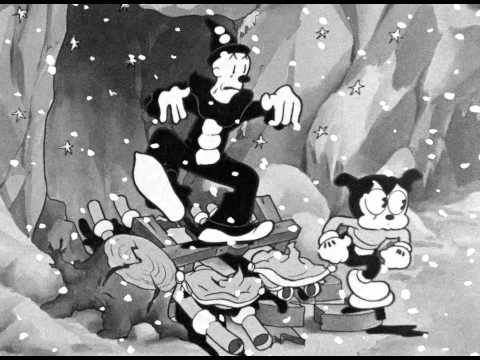
Snow-White (1933) - an animated short in the Betty Boop series from Fleischer Studios
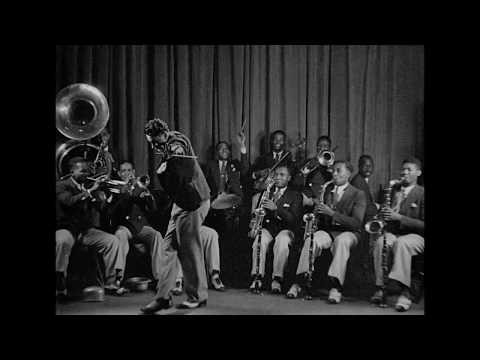
Minnie the Moocher (1932) - a Betty Boop cartoon produced by Fleischer Studios


