Other attributes
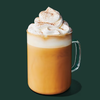
The pumpkin spice latte is an espresso-based beverage made with traditional pumpkin pie spices (nutmeg, cinnamon, and clove) and steamed milk. The beverage is most often associated with Starbucks, which popularized the drink but did not invent it. The acronym for pumpkin spice latte, PSL, has been trademarked by Starbucks since 2013.
The pumpkin spice latte most likely originated sometime in the early 2000s. The official creator of the drink is unknown, but it was offered at coffee shops like J.L. Hufford Coffee and Tea Company in Lafayette, Indiana before Starbucks took it on in 2003. Starbucks began experimenting with the idea of the pumpkin spice latte in April 2003 after company executives requested a seasonal drink for the fall in hopes of achieving similar success like they had with winter drinks like the Peppermint Mocha. Peter Dukes, a product manager of the espresso division at the time, headed a small team within Starbucks to develop a new fall drink. They created a list of about twenty potential flavors, most of which were variations of chocolate or caramel. One of the ideas floated by Dukes was a pumpkin pie latte. The team posted a survey of flavor ideas online to Starbucks customers, which included pumpkin pie. Chocolate and caramel prevailed in the results, while pumpkin pie finished near the bottom of the list. However, Dukes remained intrigued by the idea and continued pursuing it. The team first taste-tested the idea of a pumpkin spice latte by eating pieces of pumpkin pie with shots of espresso. The drink ended up in a final list, competing with three other flavors. Starbucks's vice president of beverages, Michelle Gass, was skeptical of it due to the past survey results, but Dukes was able to convince her, saying, "Trust me. Let us play with it. I’ve seen what’s out there in the market, and there’s nothing like it.”
When creating the drink, the team played with high and low proportions of pumpkin and spice to find the right combination. They decided the pumpkin flavor should come from a sauce, not a syrup like Starbucks uses in most of its flavored drinks. The extra viscosity of the sauce gives the drink a texture similar to pie filling, which better mimics the mouthfeel of pumpkin pie. One of the names considered for the drink was fall harvest latte, but pumpkin spice latte was chosen in favor of its description of the drink's flavor.
In the fall of 2003, Starbucks first released the pumpkin spice latte at one hundred select stores in the cities of Vancouver and Washington, D.C. The drink was an immediate success. Dukes later stated, “Within the first week of the market test, we knew we had a winner." Starbucks released the pumpkin spice latte in stores nationwide in September 2004. The drink's release date has been gradually bumped earlier over the years and has been put out in late August every year since 2018. Its earliest release date is August 24, which it saw in both 2021 and 2023. In 2015, Forbes estimated that Starbucks earns about $100 million in revenue annually from pumpkin spice latte sales. Starbucks has sold over 600 million of the drink since its 2003 introduction. Its yearly release results in a measurable increase in visits to Starbucks. Its 2022 release saw an increase of 25.7 percent in foot traffic to stores, which resulted in the biggest sales week in Starbucks's history.
A pumpkin spice latte from Starbucks is made of milk, pumpkin spice sauce, and espresso. It is topped with whipped cream and a pumpkin spice blend, which consists of cinnamon, ginger, nutmeg, and clove. It can be served hot, iced, and as a Frappuccino. In August 2015, Starbucks changed the pumpkin spice latte recipe to include real pumpkin after it received widespread attention in 2014 from a speculative article about the health and safety of the ingredients, written by food health blogger Vani Hari, who is known online as Food Babe. Starbucks also removed artificial caramel coloring from the drink.
Nutrition of a Starbucks grande (16 fluid ounces) pumpkin spice latte
The success of Starbucks's pumpkin spice latte eventually influenced some of the company's major competitors to create their own pumpkin spice lattes. Dunkin' Donuts began offering a pumpkin spice latte in 2020. 7-Eleven, McDonald's, Tim Hortons, and Krispy Kreme all offer their own versions of the drink as well. The drink has inspired a major industry of pumpkin spice-flavored and scented products. Brands that have created such products include Cheerios, Snyder's of Hanover, Simply Gum, Oreo, Chobani, Hostess, Lindt, Quaker, Pepperidge Farm, Hefty, and Burt's Bees. Starbucks sells other variations of the pumpkin spice latte, including a bottled drink, coffee creamer, K-Cups, and ground coffee. The industry of pumpkin spice-related products garners about $500 million annually.
The pumpkin spice latte has been viewed in popular culture as a feminine drink, though one Starbucks barista interviewed by Vice in 2017 stated that orders are split "about fifty-fifty" between men and women. Women who enjoy the drink are commonly called "basic" as a term of disparagement. Some have claimed such remarks have misogynistic undertones. In particular, the pumpkin spice latte has been associated with women who are white, wealthy, or both, mainly due to its price point, which is seen as prohibitive to those with lower incomes. The drink has been called a symbol of white privilege.


