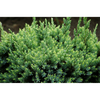

Juniper is a tree or shrub that is used to treat various diseases in humans, and is also used in landscape design. The variety of species and varieties implies a difference in the shape of the crown, the color of the needles and the height of the plant. This evergreen conifer attracts the attention of gardeners and lovers of beautiful landscapes. And it also has a wonderful coniferous aroma that spreads over long distances. For a long time, people composed songs about juniper, and poets dedicated poems to it.
Botanical description
Juniper belongs to the Cypress family. Some varieties of juniper trees can reach 15 meters in height. The life span of the plant is about 600 years. Let's take a closer look at what juniper looks like.
Juniper blooms in late spring, and in cold regions in early summer. The flowers are cones and spikelets. The female cones are light green in color, and the male spikelets are slightly elongated, colored yellow.
Juniper fruits are cones that resemble berries in appearance. They are located on branches and grow to about one cm in diameter. The scales of the pinecones fit snugly to each other, so they do not open. They have a pleasant spicy smell and ripen for two to three years in September. Due to the pleasant coniferous aroma, the fruits are used in various industrial fields.
Juniper is considered a coniferous and evergreen plant. Juniper needles can be of different colors and shades in a green color scheme.
The buds of the plant are without scales, surrounded by pressed leaves. But there are varieties that have buds with numerous scales tightly pressed. The root system is spongy, superficial. The roots do not deepen, but spread in the upper layers of the soil, which allows you to grow even on rocky surfaces.
Types and varieties
Juniper species are striking in their numbers and diversity. There are about 75 of them. There are many varieties of juniper that are grown for decorative purposes.
Common juniper
This species includes tree-like forms of plants, shrubby and creeping. Gray bark has a variety of shades of a variety of colors. Likes well-lit places and is not picky about the composition of the soil. He does not like transplanting from the natural environment to the home, so he rarely takes root after such manipulations. This species is resistant to frost. It has several of the most popular varieties:
Hibernica (Hibernica). Vertical, long pyramidal crown shape with thick green soft needles and branches pressed against the trunk. The bush has a powerful root system that goes to a depth of 5 meters. The light green cones of the fruit become dark brown when maturing.
Juniper common Hibernica (Hibernica)
Compressa. Dwarf coniferous plant with a columnar fore
Juniper Cossack
In this form, creeping varieties predominate, which can grow over long distances due to self-rooting in contact with the ground. Stoically tolerates any weather troubles. The cones of this plant are poisonous and have a specific aroma. The most popular varieties are:
Tamariscifolia (Tamariscifolia). For a year in width, this variety can grow by 10-15 cm, and in height by only 2 cm. Needles of needles are small and soft green. Each of them is slightly curved and has a white stripe on the front side. The pine cones are blue in color with a waxy coating.
Erecta (Erecta). A tree-like variety, reaching 4 meters in height. The branches grow diagonally, forming a pyramidal crown. The needles are marsh-colored, appearing darker from afar.
Fastigiata (Fastigiata). It has a narrow column-shaped crown with dark green soft and delicate needles. The leaves of the needles are scaly. It can grow up to 7 meters high.
Juniper Cossack Tamariscifolia (Tamariscifolia)


