
Person attributes


Other attributes

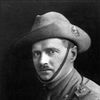
Henry William "Harry" Murray, VC, CMG, DSO & Bar, DCM (1 December 1880 – 7 January 1966) was an Australian recipient of the Victoria Cross, the highest decoration for gallantry "in the face of the enemy" that can be awarded to members of the British and Commonwealth armed forces. Decorated several times throughout his service in the First World War, Murray rose from the rank of private to lieutenant colonel in three and a half years. He is often described as the most highly decorated infantry soldier of the British Empire during the First World War.
Born in Tasmania, Murray worked as a farmer, courier and timber cutter before enlisting in September 1914. Assigned to a machine gun crew, he served during the Gallipoli Campaign, where he was awarded the Distinguished Conduct Medal before the withdrawal from the peninsula. He was later transferred along with the rest of his battalion to France for service on the Western Front, where he was awarded the Distinguished Service Order during the Battle of the Somme. In February 1917, Murray commanded a company during the battalion's attack on the German position of Stormy Trench. During the engagement, the company was able to capture the position and repulse three fierce counter-attacks, with Murray often leading bayonet and bombing charges himself. For his actions during the battle, Murray was awarded the Victoria Cross. Soon after his Victoria Cross action, he was promoted to major and earned a Bar to his Distinguished Service Order during an attack on the Hindenburg Line near Bullecourt. Promoted to lieutenant colonel in early 1918, he assumed command of the 4th Machine Gun Battalion, where he would remain until the end of the war.
Returning to Australia in 1920, Murray eventually settled in Queensland, where he purchased the grazing farm that would be his home for the remainder of his life. Re-enlisting for service in the Second World War, he was appointed as commanding officer of the 26th (Militia) Battalion. Taking his discharge in 1944, Murray returned to his farm and died in 1966 at the age of 85.